


Asian Scientist Newsroom

ABOUT
Asian Scientist Magazine is an award-winning science and technology magazine that highlights R&D news stories from Asia to a global audience. The magazine is published by Singapore-headquartered Wildtype Media Group.
Stories by Asian Scientist Newsroom

Oxygen Not Necessarily A Marker Of Extrasolar Life
Research shows that oxygen could come from other inorganic sources, changing the idea that oxygen is a marker of life on exoplanets.

Learning Light Scattering From Algae
Through tiny structures known as coccoliths, microscopic algae are able to control light scattering, possibly influencing solar light exposure in the ocean.

Deadly Singaporean GBS Strain Sequenced
A collaboration between research labs and hospitals has quickly sequenced the genome of a strain of Group B Streptococcus responsible for a recent outbreak in Singapore.
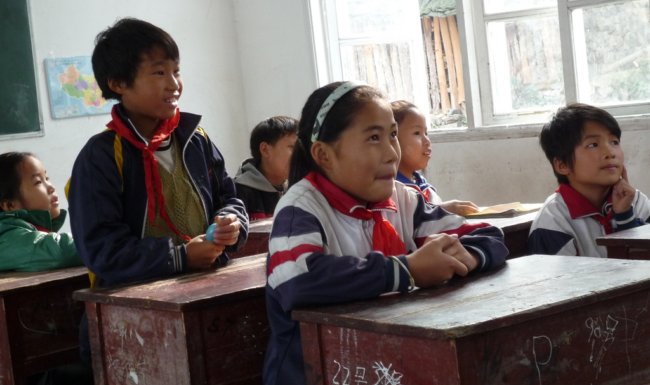
Overcoming Childhood Adversity With A Plan
Children left behind in rural areas by their parents seeking work in China's big cities are emotionally stressed but find strategies to cope.

Nearby Red Dwarves Could Reveal Planet Secrets
An accidental find of a collection of young red dwarf stars close to our solar system could give us a rare glimpse of planet formation in slow motion.
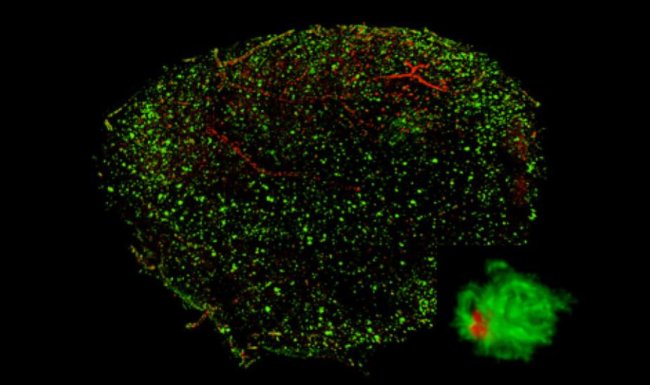
ScaleS: A New Transparency To Alzheimer’s Research
Detailed 3D reconstruction enabled by a solution that makes tissue transparent gives scientists unprecedented insight into the brain.
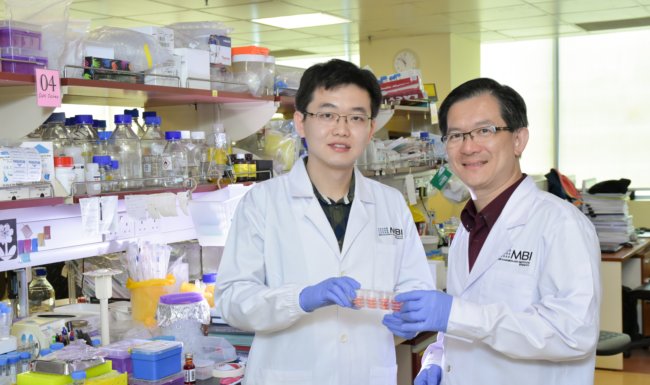
Coordinating Traffic Down The Neuronal Highway
Scientists have established a zebrafish model of the rare motor neuron disease Cayman ataxia, paving the way for research on diseases caused by acetylcholine dysregulation.

High-Performance Artificial Photosynthesis Without Noble Metals
An efficient catalyst that does not make use of expensive metals such as platinum could help make hydrogen generation economical.

New Tools Added To Synthetic Biology Toolbox
Researchers have found a way to modify antibiotics using synthetic enzymes, allowing them to rationally design new drugs from modified natural compounds.