


Asian Scientist Newsroom

ABOUT
Asian Scientist Magazine is an award-winning science and technology magazine that highlights R&D news stories from Asia to a global audience. The magazine is published by Singapore-headquartered Wildtype Media Group.
Stories by Asian Scientist Newsroom

India Launches Its First Astronomy Satellite
The launch of India's first astronomy satellite with the capacity to simultaneously image light at various wavelengths presents an unprecedented opportunity to observe space.
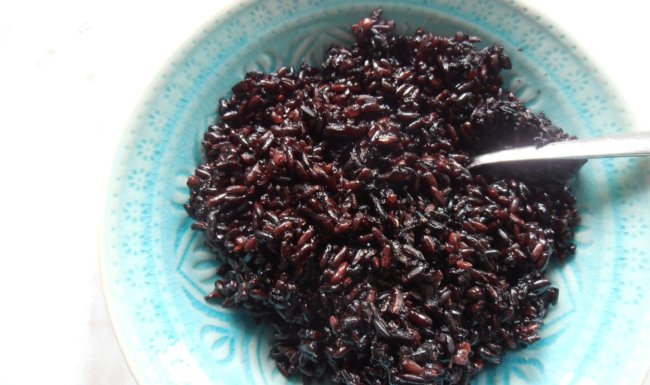
The Origins Of Black Rice
Plant biologists have solved the ancient mystery of the origins and spread of black rice.

A Thermal Invisibility Cloak
A new thermal invisibility cloak, which actively redirects heat, may bring Harry Potter's invisibility cloak closer to reality.

How Stem Cells Defend Against Viruses
Epigenetic mechanisms are crucial in embryonic stem cells' defense mechanism against viral infections, scientists say.

New 2D Transistor Material Made Using Precision Lasers
With the help of laser patterning, pure dual-phased molybdenum ditelluride can now be fabricated for next-generation 2D transistors.

Graphdiyne For Better Lithium Batteries
The unique triangular pore structure of the carbon allotrope graphdiyne makes it an unusually effective lithium ion storage material, scientists report.

Capturing Vesicles In The Act Of Fusion
Thanks to a pumpkin-shaped molecule, scientists can now observe the process of vesicle fusion in real time.

Ultrashort Laser Bursts To Bridge The Terahertz Gap
By creating grooves and ripples on the surface of terahertz emitting devices, scientists were able to enhance terahertz emission significantly, overcoming the ‘terahertz gap.’

An Invisible Wildlife Trade Uncovered
The illegal trade of flora of Southeast Asia is larger than previously thought, spurring the call for more attention to be paid to this important form of biodiversity.