


Asian Scientist Newsroom

ABOUT
Asian Scientist Magazine is an award-winning science and technology magazine that highlights R&D news stories from Asia to a global audience. The magazine is published by Singapore-headquartered Wildtype Media Group.
Stories by Asian Scientist Newsroom

The Hum Or Bursts Of Purkinje Cells
The two different states of Purkinje cell signaling could be related to how the cell decides to respond to incoming signals, scientists say.

Keeping The Circadian Clock Stable, Whatever The Temperature
Scientists have proposed a phosphoswitch mechanism to explain the stability of the key circadian protein PER2 in the face of fluctuating temperatures.

Gene Suppression Makes Memories
Gene repression, rather than the previously assumed protein translation, could play an important role in memory and learning, scientists say.

Singapore Launches Driverless Car Trials
Autonomous vehicles that don't rely on GPS have begun to operate on a 6 km route within the One North business park.
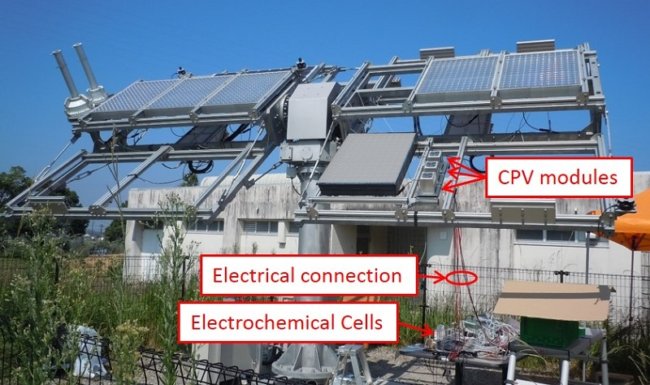
Efficiency Of Solar-Powered Electrolysis Doubled
Having reached a solar-to-hydrogen efficiency of more than 24 percent, it may soon be feasible to harness the sun to split water.
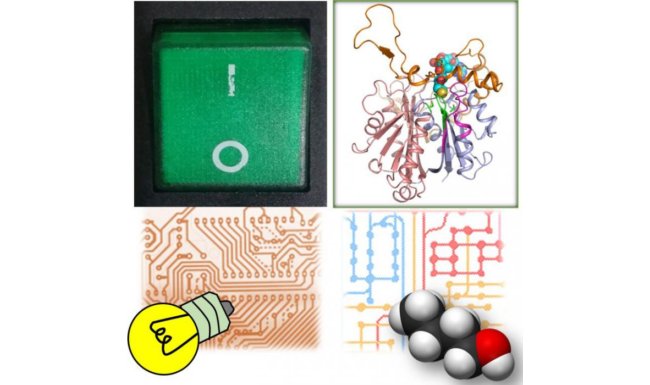
Flick The Switch For Bacteria-Made Biofuels
Using in silico modeling and simulation, scientists have engineered a more efficient enzyme for the production of n-butanol in bacteria.

Telomeres Implicated In Premature Aging
The symptoms of the premature aging disorder Hutchinson-Gilford Progeria Syndrome have been linked to the enzyme telomerase.

Goods Made In China Cause More CO2 Emissions
Cheap goods manufactured in China come at a substantial cost to the environment, say scientists.
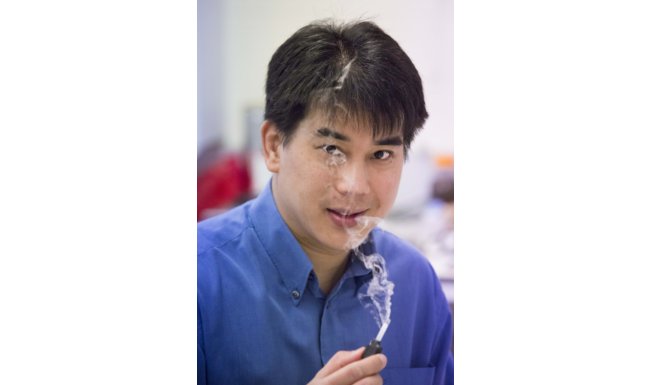
Next Generation Nebulizer Could Replace Jabs
A nebulizer that uses sound waves to generate a fine mist of drug could change the way drugs are delivered to the lungs.