


Asian Scientist Newsroom

ABOUT
Asian Scientist Magazine is an award-winning science and technology magazine that highlights R&D news stories from Asia to a global audience. The magazine is published by Singapore-headquartered Wildtype Media Group.
Stories by Asian Scientist Newsroom
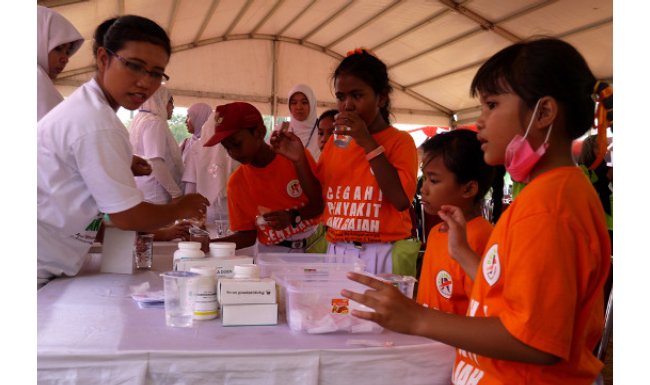
Eisai Provides Free Antiparasitic Tablets To Indonesia
Eisai has provided 151 million free diethylcarbamazine citrate tablets to the government of Indonesia for the treatment of elephantiasis.

Three New Chigger Mites Discovered In Taiwan
The discovery of three new species in the Yilan County have led scientists believe that more species are waiting to be described, particularly in the mountainous regions.

How did The First Photosynthetic Plants Get Chloroplasts?
The world’s most powerful ultra-high voltage electron microscope has given us a glimpse into the insides of ancient plant cells.
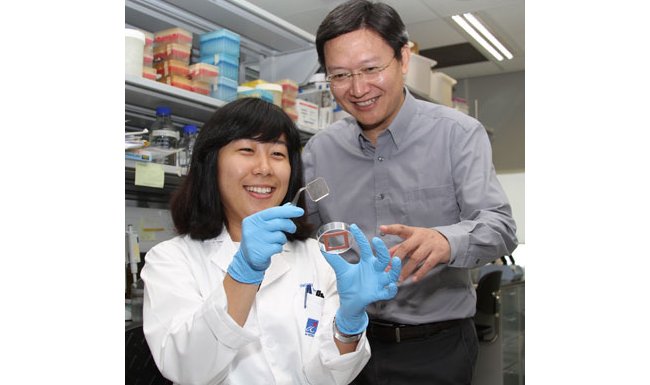
Recreating Embryo Development In A Dish
Micropatterned stem cell colonies could one day replace animal models in the testing of teratogens and other compounds.

Device Makes Mitral Valve Replacement More Simple
The VeloX prosthetic heart valve could make valve replacement more accessible to patients with multiple co-morbidities.

Substitute Out Sedentary Activities To Avoid An Early Death
Even sleeping is better than vegging out in front of the TV if you are sleep deprived, scientists say.

Fuse Links Keep Hydrogels Strong & Tough
Mechanical fuse links that break when the gel is subjected to force help to prevent the breakage of the overall gel structure.

The Youngest Schoolkids In Each Cohort Face Increased Suicide Rates
The disadvantage of being younger than your peers upon entry into school could translate to a higher suicide rate, study suggests.

Teasing Out The Differences Between Breast Fibroepithelial Tumors
Researchers have mapped the genetic landscape of two distinct forms of fibroepithelial tumors, paving the way for more targeted screening and treatment.