


Asian Scientist Newsroom

ABOUT
Asian Scientist Magazine is an award-winning science and technology magazine that highlights R&D news stories from Asia to a global audience. The magazine is published by Singapore-headquartered Wildtype Media Group.
Stories by Asian Scientist Newsroom

Two A*STAR Scientists Win The 2015 EMBO Young Investigator Award
Dr. Khor Chiea Chuen and Dr. Nicolas Plachta have been selected as this year's European Molecular Biology Organization Young Investigators.

NTU Singapore Launches Region’s First Maritime Energy Test Bed
The Maritime Energy Test Bed will help develop green solutions for the shipping industry and serve as an educational platform for students.

ASLAN & Hyundai Pharm Collaborate To Develop Cancer Drug
The two companies will conduct clinical trials to assess varlitinib in the treatment of aggressive bile duct cancer, a disease prevalent in South Korea.

Food Associated With Childhood Obesity Identified
Potato chips are the top obesity-causing food for children and adolescents to consume, say scientists.

Chameleon-Like Material Changes Color With Temperature
Doping hydrogels of silica with small amounts of black carbon gives them temperature-controllable structural colors.

Four Asian Teams Win 2016 Breakthrough Prize In Fundamental Physics
Established by key entrepreneurs in the Silicon Valley, the 2016 Breakthrough Prize in fundamental physics went to Japanese, Chinese and Canadian research teams working on neutrino oscillation.
Osamu Shimomura Celebrated In Special Issue Of SPIE Journal
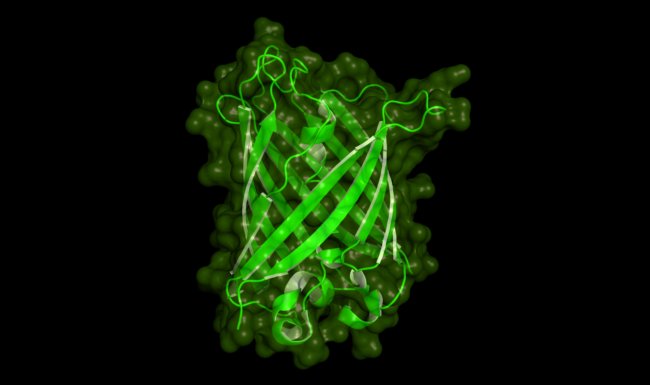
Professor Omura Shimomura isolated the green fluorescent protein from jellyfish, which revolutionized light microscopy and light-activated study.

Using NGS To Fish Out Asian Specific Cancer Mutations
Singapore General Hospital has entered a collaboration with Thermo Fisher Scientific to perform next-generation sequencing of retrospective samples from cancer patients of Asian ancestry.

Turning Tomatoes Into Phytochemical Factories
By tweaking a gene called AtMYB12, scientists were able to make tomatoes produce industrial quantities of beneficial phytochemicals.