


Asian Scientist Newsroom

ABOUT
Asian Scientist Magazine is an award-winning science and technology magazine that highlights R&D news stories from Asia to a global audience. The magazine is published by Singapore-headquartered Wildtype Media Group.
Stories by Asian Scientist Newsroom

‘Dancing’ Electrons Could Enable Faster Data Encoding
With the addition of a special insulator, electrons in a magnetic hard disk engage in a ‘dance’ with their neighboring electrons to transfer magnetic information over a longer range.

WuXi AppTec & Juno Therapeutics Set Up Cell Therapy Company
US-based biopharmaceutical Juno Therapeutics and China-based open-access R&D company, WuXi AppTec, have joined forces in setting up a cell therapy company.

New Type Of Dinosaur Egg Found In China
Paleontologists in China have found a new species of dinosaur egg, which may represent a more basic type of egg predating the Late Cretaceous period.

Eating Fruit Daily Reduces Risk Of Heart Attacks
A study of half a million people in China has found that just 100 grams of fruit per day can cut the risk of cardiovascular mortality by a third.
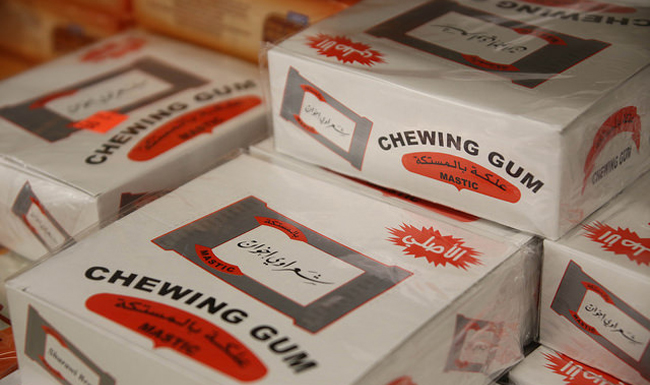
Chewing Gum After A Meal Could Help You Manage Your Weight
Chewing food slowly and thoroughly can help burn calories, an effect that can be enhanced by chewing gum after eating.

Simple Paper-Based Test Could Help Prevent Food Poisoning
Researchers have developed a paper-based test that can detect food-borne pathogens within a few minutes.

The Many Twists And Turns Of DNA Supercoils
Controlling the supercoiling of bacterial DNA could be one way to control their gene expression and cell physiology.
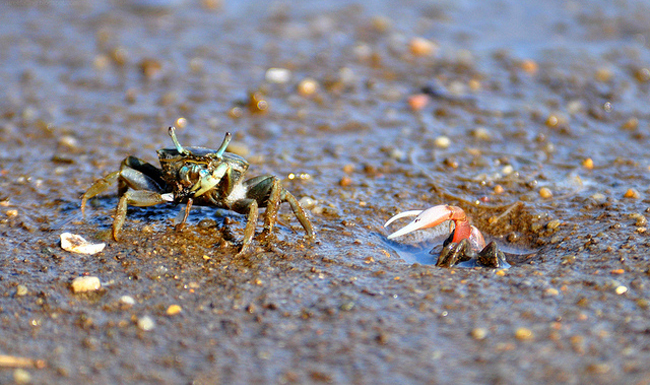
Fiddler Crabs Call Each Other’s Bluff During Fights
Crabs adapt their behavior to suit the opponent they are fighting with, depending on whether they still possess their original enlarged claw or a weaker, regrown one.

Gene Targeting Reverses Heart Fibrosis In Mice
By using gene targeting to introduce the CCN5 protein into the heart, researchers have managed to reverse cardiac fibrosis in mice.