


Asian Scientist Newsroom

ABOUT
Asian Scientist Magazine is an award-winning science and technology magazine that highlights R&D news stories from Asia to a global audience. The magazine is published by Singapore-headquartered Wildtype Media Group.
Stories by Asian Scientist Newsroom

Magic Tricks: Blink And You’ll Miss It
Take it from a professor who is also a magician: when performing illusions, they use the blinks of their audience to their advantage.

Macrofossils Re-Write The History Of Multicellular Life
Fossils of multi-celled organisms visible to the naked eye have just been found in China, and are a billion years older than previously thought.

Syrupy Stand-In Mimics Magma For Volcano Prediction
Using a setup involving dyed syrup and a precision shake table, researchers have modeled how earthquakes can cause volcanic eruptions.

India & China Bear A Third Of Global Mental Illness Burden
India and China's disease burdens for mental, neurological and substance use disorders are greater than in all high-income countries combined, says a study.

Bilingual Babies Learn Languages Faster (VIDEO)
Contrary to widely held beliefs, babies are not hindered by learning two languages—in fact, they learn both languages faster than monolingual babies.

Testing Knee Replacements With Egg Proteins
Albumin and globulin could prove to be effective lubricants when testing replacement hip and knee joints in a laboratory setting.
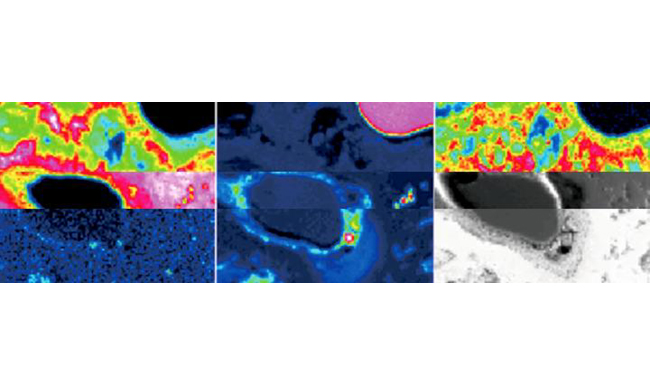
Boron Maps Could Help Guide Fukushima Decommissioning
By mapping the distribution of boron compounds in molten debris, researchers can determine the re-criticality risk of the nuclear reactor in the plant.
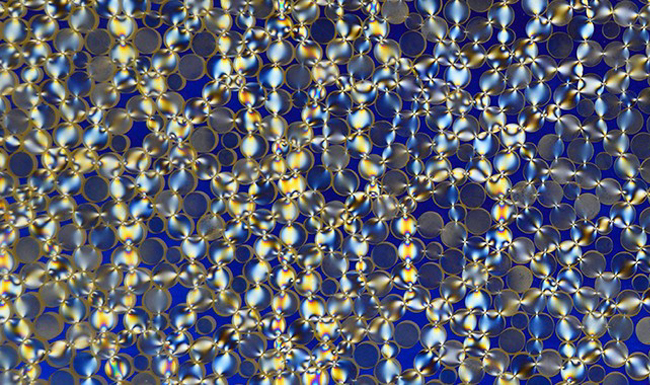
Researchers Find Link Between Disorder And Metastability
Using photo-elastic disks, researchers have shown that it is possible to detect and quantify metastability induced by disorder in a granular material.

Does Size Matter? Not To Mosquitofish, It Doesn’t
Contrary to previous studies—and popular belief—genital size does not affect a male mosquitofish's ability to attract a mate.