


Asian Scientist Newsroom

ABOUT
Asian Scientist Magazine is an award-winning science and technology magazine that highlights R&D news stories from Asia to a global audience. The magazine is published by Singapore-headquartered Wildtype Media Group.
Stories by Asian Scientist Newsroom

Students Discover Gravitational Lens Dubbed ‘Eye Of Horus’
Students and astronomers at a Subaru Telescope workshop made the discovery by accident while analyzing some data.
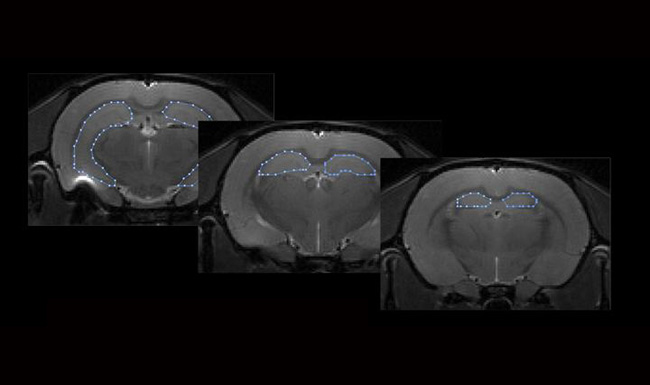
Even A Brief Period Of Stress Could Affect Memory: Study
Aside from memory loss, the hippocampus or 'memory center' in the brains of rats shrank after just three days of chronic stress.

Toothy Insights Into Ancient Elephants’ Changing Diets
Researchers analyzed the wear and tear on fossilized elephant teeth to unearth the diets of these prehistoric animals.

Scientists Grow Tissues Resembling Human Mid-Brains
Grown from stem cells in the laboratory, these mid-brain structures could one day be used to test drugs for aging-related brain disorders.

Join The Asian Scientist #ScienceHaiku Competition! Cash Vouchers Up For Grabs
Thomas Huxley once said, “Science and literature are not two things, but two sides of one thing.” Join the Asian Scientist Science Haiku Competition today!

Which Meds Are Best For You? Check systemsDock
Scientists have created a free online resource that makes screening for the right drug faster and more accurate.

Two Ant Species Named After Game of Thrones Dragons (VIDEO)
Brace yourself, dragon ants are coming! Researchers have discovered ant species with dragon-like spines reminiscent of the mythical beasts in Game of Thrones.

In Chinese Elderly, Vitamin D Levels May Predict Brain Decline Risk
Researchers have found a link between low vitamin D levels and an increased subsequent risk of cognitive decline and impairment in Chinese elderly.

Twelve Researchers Recognized At Philippines Promising Star Awards 2016
Twelve Philippines-based researchers were recognized for their world-class contributions spanning nine research fields.