


Asian Scientist Newsroom

ABOUT
Asian Scientist Magazine is an award-winning science and technology magazine that highlights R&D news stories from Asia to a global audience. The magazine is published by Singapore-headquartered Wildtype Media Group.
Stories by Asian Scientist Newsroom

Scientists Discover T Cells That Play Hide-And-Seek With HIV
Viruses like HIV can conceal themselves from the immune system, but a specialized type of killer T cell can seek out their hiding spots, a study shows.

So Cute! Baby Monkeys Reveal The Significance of Smiles
The spontaneous smiles of sleeping baby macaques reveal the evolutionary origin of smiles and laughter, a new study shows.

Decoding Seaweed DNA May Help Strains Withstand Climate Change
The draft genome of the mozuku seaweed may help researchers develop a seaweed variety that thrives in hotter waters, say Japanese scientists.

Gamers, Rejoice: Online Gaming Can Boost School Scores
Video games sharpen maths, science and reading skills among 15-year-olds, but too much social media use reduces test results, a study in Australia has found.

Scientists Urge A Move Away From ‘Single-Nutrient Approach’
Instead of focusing on any one nutrient in isolation, scientists are suggesting nutritional geometry, which considers how mixtures of nutrients and other dietary components influence health and disease.
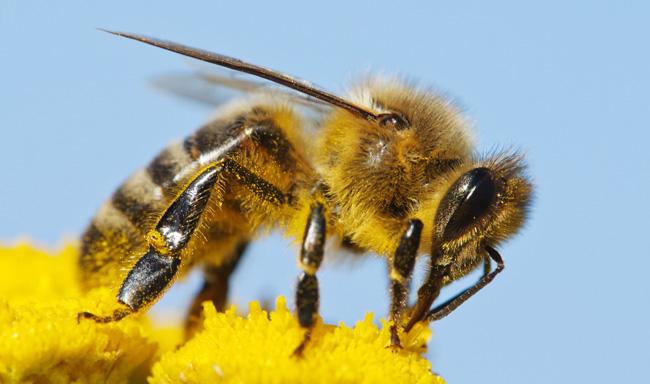
Yes, Bees Get Sexually Transmitted Diseases Too
And when they do get a sexually transmitted disease, the bees' immune system launches an efficient response to protect their sperm—and ultimately their queen—against the disease.

When It Rains, K Computer Can Tell You If It Will Pour, Too
With the powerful K supercomputer, researchers in Japan can now predict the occurrence of torrential rains with much greater accuracy.

Researchers Identify Biomarkers For Chronic Kidney Disease
Even though present in trace amounts, D-amino acid levels in patients can be measured to provide prognostic information of chronic kidney disease.

Did That Extinct Mammal Live On Land Or In Water? Look At Its Rib Cage
An index based on the resistance of an animal's rib cage to gravitational compression can shed light on the lifestyles of extinct creatures.