


Asian Scientist Newsroom

ABOUT
Asian Scientist Magazine is an award-winning science and technology magazine that highlights R&D news stories from Asia to a global audience. The magazine is published by Singapore-headquartered Wildtype Media Group.
Stories by Asian Scientist Newsroom

Gay Jane Perez: The Philippines’ Space Whisperer
For helping launch the Philippines’ first microsatellites, Dr. Gay Jane Perez is proof that the sky’s the limit in agricultural innovation.

How Social Isolation Drove People Online
Increased isolation during COVID-19 has led to a surge in online messaging and social media use among Singapore residents, according to a nationwide study.
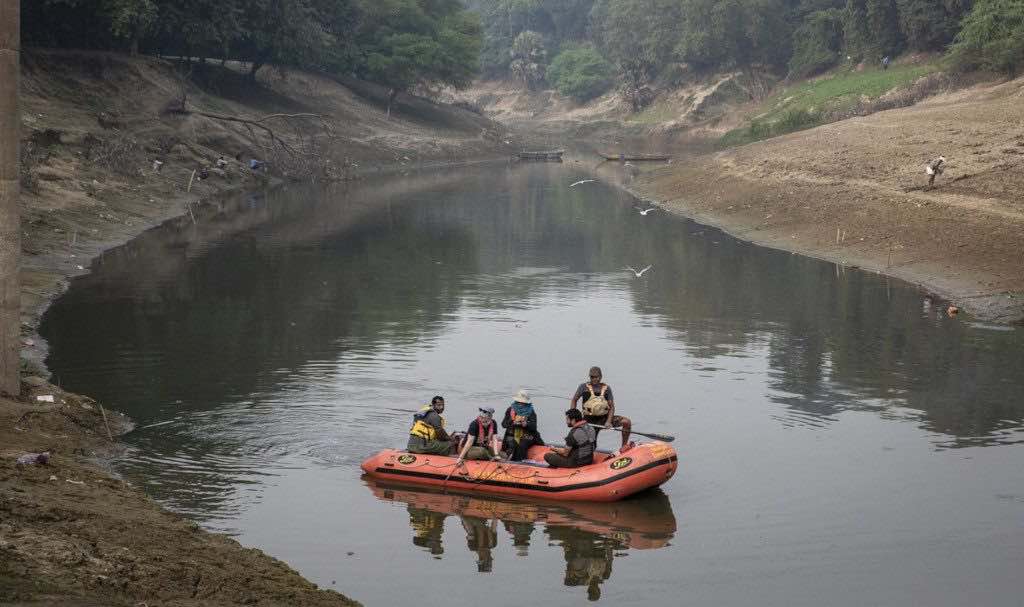
Mapping Microplastics Along The Ganges River Basin
Combined flows from the Ganges-Brahmaputra-Meghna river basin could send up to three billion microplastics each day into the Bay of Bengal.

Singapore’s Jackie Ying Elected to US National Academy of Engineering
Nanotechnology trailblazer Professor Jackie Ying has been elected to the prestigious US National Academy of Engineering based on her research in Singapore.

Southeast Asian Bats and Pangolins Harbor SARS-CoV-2-related Coronaviruses
Experts have found evidence of coronaviruses related to SARS-CoV-2 circulating in bats and pangolins in Southeast Asia.
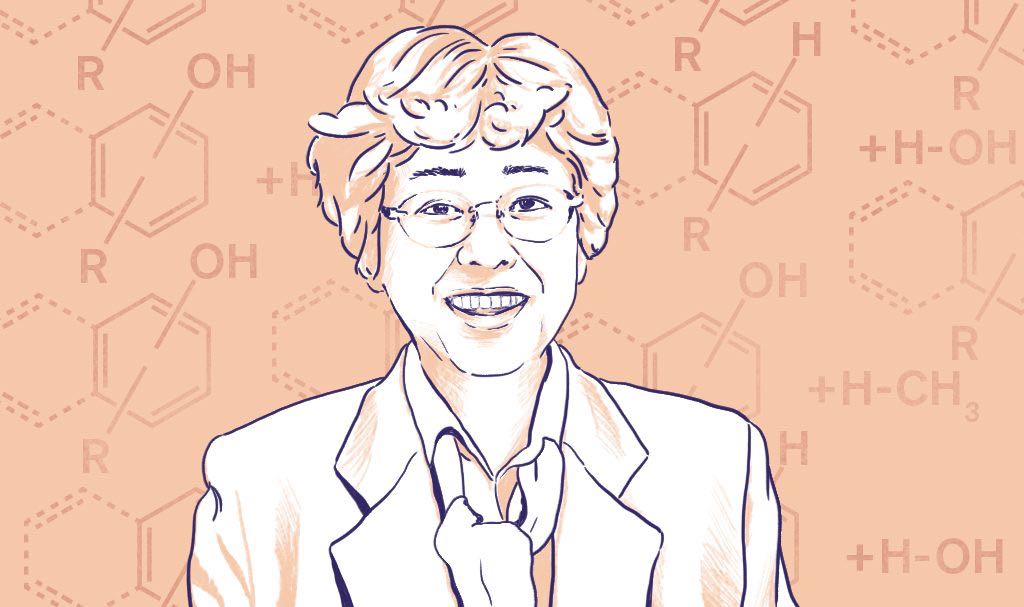
Kyoko Nozaki Wins 2021 L’Oréal-UNESCO For Women in Science Award
Pioneering synthetic chemist Kyoko Nozaki from the University of Tokyo is one of the winners of the 2021 L’Oréal-UNESCO For Women in Science Award.

Scientists Rediscover ‘Extinct’ Philippine Mouse
Once thought to be extinct, the rediscovery of the Pinatubo volcano mouse provides hope for wildlife conservation in the Philippines.

Asian Scientists Among Winners Of 2021 OWSD-Elsevier Foundation Awards
Two researchers from Sri Lanka and Mongolia were awarded the 2021 OWSD-Elsevier Foundation Awards for Early-Career Women Scientists in the Developing World.

Attracting Singapore’s Girls And Women Into STEM
While parents in Singapore envision both male and female children pursuing careers in STEM, there should be more efforts to improve gender diversity outside the classroom.