


Asian Scientist Newsroom

ABOUT
Asian Scientist Magazine is an award-winning science and technology magazine that highlights R&D news stories from Asia to a global audience. The magazine is published by Singapore-headquartered Wildtype Media Group.
Stories by Asian Scientist Newsroom

Why Stop At One? Researchers Make 10,000 Ribozyme Mutants At Once
Researchers in Japan have created over 10,000 mutants of a ribozyme simultaneously, helping them understand which chemical bases are important for ribozyme activity.

Fossils From China Show History Of Plants Colonizing Land
The formation of deep soils millions of years ago allowed the first trees to survive, and this may have occurred much earlier than once thought, according to a study.
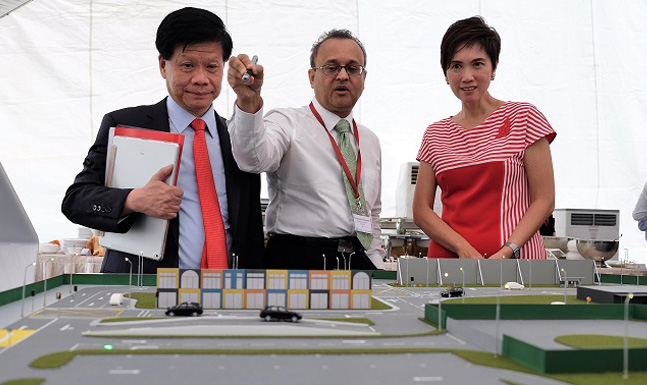
Singapore Launches Test Circuit For Self-Driving Vehicles
A new research center and test circuit may help kickstart the deployment of self-driving vehicles on Singapore roads.

Bristol-Myers Squibb Reacquires Rights To ASLAN Drug
Bristol-Myers Squibb will be reacquiring the rights to ASLAN002, a gastric and breast cancer drug, for several APAC markets.

Oxford BioDynamics To Conduct ALS Biomarker Program In Malaysia
The Penang subsidiary of Oxford BioDynamics will work towards developing diagnostic tests for amyotrophic lateral sclerosis.

When The Boss Is In, Everyone Plays Nice: Study
Concern over a person's reputation in the eyes of an authority figure, like a village elder, may encourage cooperation with others, a study shows.

How Improve Genomic Analysis? Attach Some Sequins
Called sequins, these synthetic human genome sequences can help researchers optimize how gene sequencing is carried out.

Putting The Pressure On Platinum To Synthesize Superconductors
Researchers have synthesized a superconducting material out of platinum, which was previously thought to be unsuitable for superconductivity.

Vibrating Tool Add-On Allows Surgeons To ‘Feel’ What They Can’t Touch
A small vibrating device added to surgical tools may help improve the ability of the surgeon to sense details and textures of a patient's internal organs and tissues.