


Asian Scientist Newsroom

ABOUT
Asian Scientist Magazine is an award-winning science and technology magazine that highlights R&D news stories from Asia to a global audience. The magazine is published by Singapore-headquartered Wildtype Media Group.
Stories by Asian Scientist Newsroom

Growing Nanowires From Alzheimer-Causing Amyloid Peptides
Researchers in Japan have developed a versatile method to form nanowires based on amyloid peptides, the causative molecule for Alzheimer’s disease.

WuXi AppTec To Distribute AutoGenomics Diagnostics Systems In China
WuXi AppTec has entered into a distributor agreement with US-based AutoGenomics, focusing on the China market.
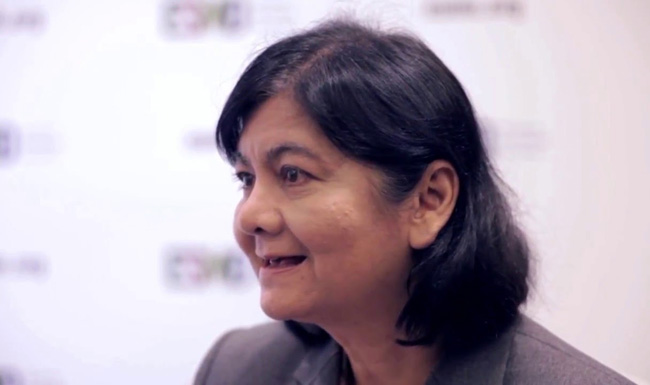
Thai Oncologist Wins ESMO Women For Oncology Award
Emeritus Professor Sumitra Thongprasert was recognized for being a role model to other women oncologists and for her distinguished career.

Mola Mola’s Genome May Explain Its Gigantic Size
Researchers have sequenced the genome of the ocean sunfish, focusing particularly on growth hormone signalling genes to understand its freakish growth spurts.
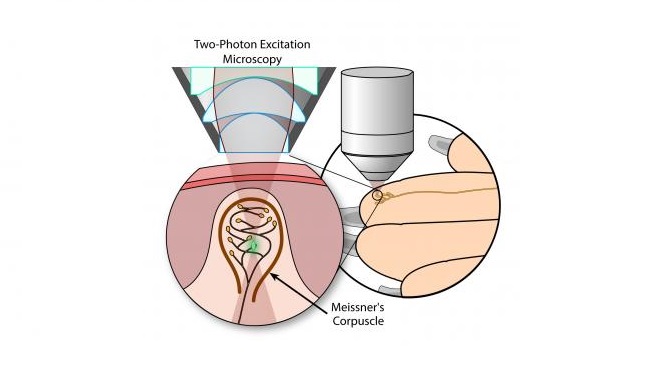
Time-Lapse Observation Of Sensory Receptors In Living Skin
Using two-photon imaging, researchers in Japan have observed the activity of mechanoreceptors in the fingertips of live mice.

Fighting Leukemia Cells By Cutting Off Their Oxygen Source
Researchers have identified the signaling pathway that enables leukemia cells to maintain their oxygen-dependent energy metabolism and ability to divide.

Scientists Reveal How Humans Spread Onto Tibetan Plateau
Based on a comprehensive review of past archaeological work, researchers in China have proposed how ancient humans spread onto the Tibetan Plateau.

Some Immune Receptors Are More Equal Than Others
Although all receptors in a single T-cell are genetically and biochemically identical, they are not functionally identical, according to a study.
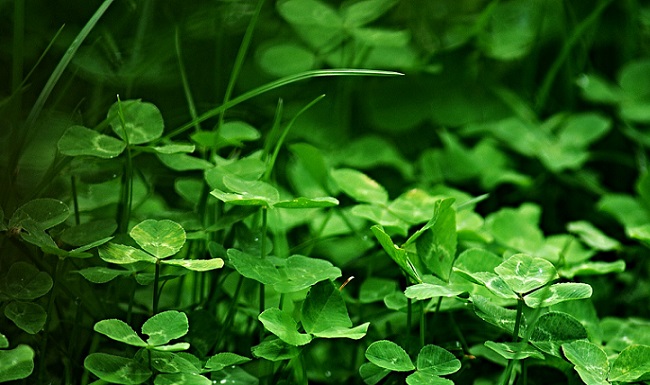
Lucky Them! Scientists Sequence The Clover Genome
Australian scientists have decoded the genome of the subterranean clover, which is the most important annual pasture legume in Australia.