


Asian Scientist Newsroom

ABOUT
Asian Scientist Magazine is an award-winning science and technology magazine that highlights R&D news stories from Asia to a global audience. The magazine is published by Singapore-headquartered Wildtype Media Group.
Stories by Asian Scientist Newsroom

Hey, Diddle Diddle, More Cows Born Around The Full Moon?
There might be some truth to the popular belief that more births happen during a full moon—at least with cows.

Female Fiddler Crabs Want Safety Over Sex: Study
When female fiddler crabs leave males behind during mating season, they aren't just being picky—they are seeking shelter from predators, research shows.

Hong Kong Chemists Synthesize Promising Antibiotic Teixobactin
Scientists in Hong Kong have successfully synthesized teixobactin and ten analogs with promising properties.

7 Must-Read Stories In August 2016
From homosexual termites to self-driving cabs, these are the stories that grabbed your attention in August.

ASLAN, A*STAR To Develop Therapeutic Antibody Against RON Kinase
ASLAN Pharmaceuticals will license a therapeutic antibody from A*STAR that targets the macrophage-stimulating protein receptor, also known as Recepteur d’Origine Nantais kinase.

Takeda To Develop Zika Vaccine With $19.8m BARDA Funding
The US$19.8 million initial funding will cover the development of a Zika vaccine through to a Phase I clinical trial.
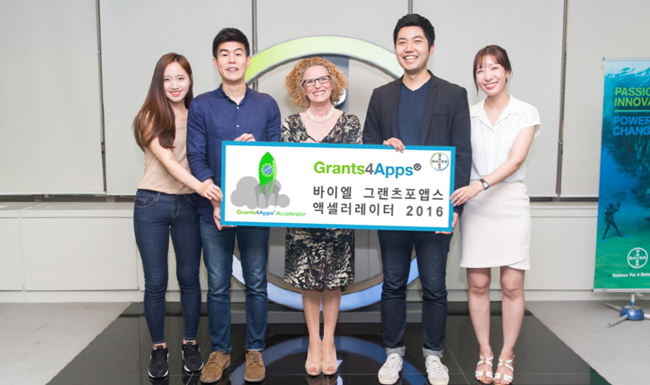
Korean Startup Among Bayer’s Grants4Apps Accelerator 2016 Winners
Vital Smith, a Korean startup specialising in technology for diagnostic devices, was one of four winning teams from Bayer's global open innovation program.

Wnt Pathway Inhibitor Fights Colorectal Cancer Stem Cells
Researchers have developed a small molecule inhibitor that blocks a signaling pathway essential to cancer stem cell development.

Primate Stem Cells Show Superior Pluripotency To Mouse Stem Cells: Study
The study identified a gene set useful for predicting the properties of human and monkey pluripotent stem cells.