


Asian Scientist Newsroom

ABOUT
Asian Scientist Magazine is an award-winning science and technology magazine that highlights R&D news stories from Asia to a global audience. The magazine is published by Singapore-headquartered Wildtype Media Group.
Stories by Asian Scientist Newsroom

How Life (Barely) Survived The Great Extinction
The survival of a transient community of microbes and sea urchins that lived over 250 million years ago suggests how life might respond to a warmer climate today.

Reuseable Sensor Lights Up Under Pressure
Unlike other pressure sensors, this mechanosensor embedded in a polymer can be repeatedly used to detect force.

Coating Hemoglobin To Make Artificial Blood Safe
Scientists have successfully wrapped hemoglobin in polymer, paving the way for safe and effective artificial blood.

Giving Robots A Sense Of Touch
Researchers in South Korea have used silicon and carbon nanotubes to make tactile sensors that could serve as robot skin.
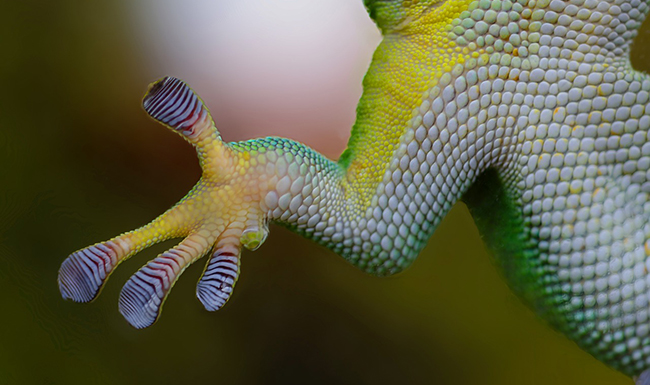
Gecko-Inspired Adhesive Sticks And Releases On Command
Scientists have developed a method to integrate nanostructured hydrogel fibers on an inorganic membrane to mimick the gecko's sticking and detaching mechanism.

New Appetite-Regulating Hormone Found
A hormone called NPGL could explain why we sometimes do not lose weight even when we change our diets.

For Java Sparrows, Songs Are Less Important Than Dance
Unlike other songbirds, Java sparrows choose their mates based on their dancing rather than singing abilities.

KAIST Nanosatellite Launched On Trip To The International Space Station
The nanosatellite called LINK is one of the 28 satellites aboard the Atlas V booster en route to the International Space Station.
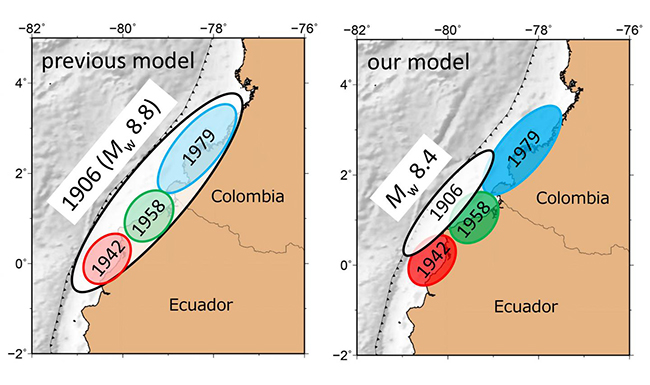
What The Past Can Tell Us About Future Earthquakes
A new model based on historical earthquake data explores the potential of predicting major earthquakes.