


Asian Scientist Newsroom

ABOUT
Asian Scientist Magazine is an award-winning science and technology magazine that highlights R&D news stories from Asia to a global audience. The magazine is published by Singapore-headquartered Wildtype Media Group.
Stories by Asian Scientist Newsroom

Why Massive Galaxies Don’t Dance In Crowds
Contrary to previous research, the spin rate of galaxies is actually determined by mass instead of their interactions with neighboring galaxies.

Selenium Makes Insulin Last Longer
By replacing sulfur with selenium, scientists have developed a long-lasting synthetic insulin analog that could be used for treating diabetes.

Magnets Turn Viruses Into Bacteria-Killers
A team of international scientists has used phage-enhanced nanoparticles to kill bacteria that pollute water treatment systems.

Chimps Can Play Rock-Paper-Scissors
Using the rock-paper-scissors game, scientists in Japan and China have shown that chimpanzees can learn simple circular relationships.
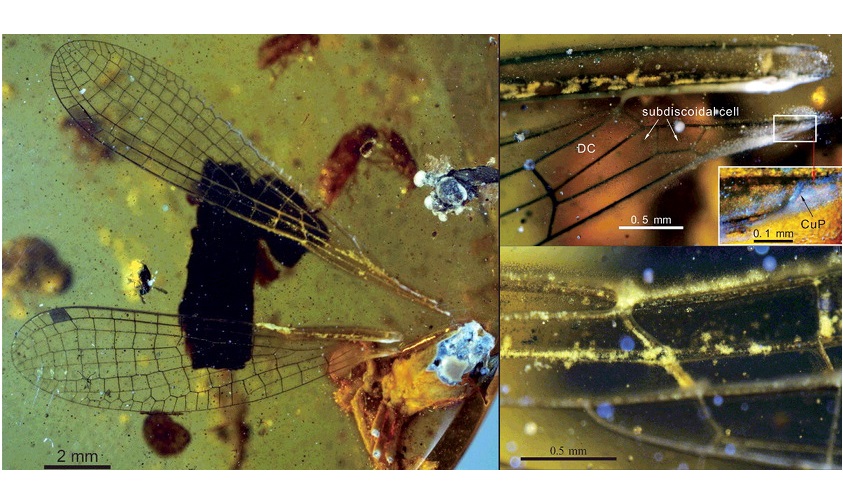
Ancient Damselfly Trapped In Amber Named After Sir David Attenborough
A new species of damselfly was named after Sir David Attenborough, adding to the long list of animals bearing the name of famous naturalist.

Mosquito-Borne Infectious Diseases: Crafting An Asian Solution
Asian countries have made progress on tackling mosquito-borne disease but are now at a critical juncture, says Dr. Benjamin Rolfe, CEO of the Asia Pacific Leaders Malaria Alliance.

Nanospray Prolongs Shelf Life Of Produce
This nanospray coating method can make strawberries and tangerines last more than a month.

Safe Electrolytes For Bendable Batteries
Scientists have developed flexible batteries that can use saline solution and cellular fluids as electrolyte solutions.

Autophagy Linked To Morphine Addiction
By studying mice that were repeatedly administered with morphine, scientists in China have identified autophagy pathways in neurons as crucial mediators of drug addiction.