


Asian Scientist Newsroom

ABOUT
Asian Scientist Magazine is an award-winning science and technology magazine that highlights R&D news stories from Asia to a global audience. The magazine is published by Singapore-headquartered Wildtype Media Group.
Stories by Asian Scientist Newsroom
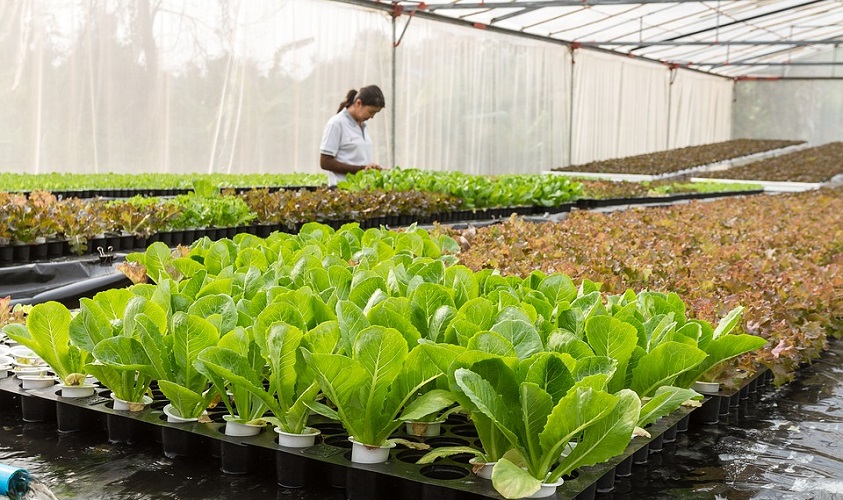
Carbon Dots Make Good Fertilizers
Scientists in China have created nanoparticles from rapeseed pollen that increase the yield of lettuce by almost 50 percent.

Visualizing How T-Cells Ready Their Arsenal
Using single-molecule tracking and quantitative analysis, scientists have discovered how T-cells rearrange their surface molecules to mount an immune response.

Perovskite LEDs For A Brighter Future
Using a method known as chemical vapor deposition, scientists in Japan have created perovskite-based LEDs that may one day replace conventional LED lights.
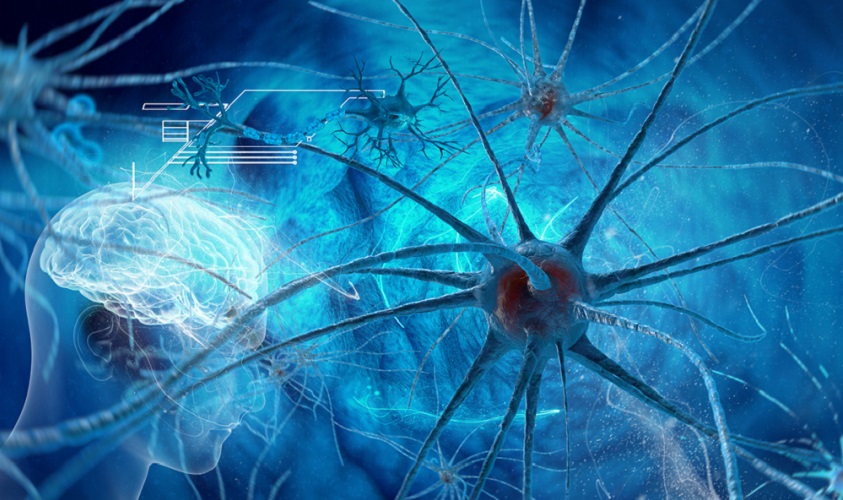
Memories Take A Detour In The Brain
Memories are formed in and retrieved from different parts of the brain, according to an optogenetic study by researchers in Japan.

Brain Chemical Controls Appetite And Fat Storage
Scientists in Japan have identified the protein in the brain that controls appetite and body fat composition.

Mitochondrial Gene Linked To Adult-Onset Obesity
Scientists in Australia have discovered that having just one copy of a mitochondrial gene called PTCD1 results in adult-onset obesity and fatty liver disease.

How Bird Flu Grows An ‘Eggshell’ That Makes It More Deadly
An eggshell-like mineral layer around the avian flu virus could explain why we are more likely to catch it from birds than from our fellow humans.

Why Some People Are Allergic To Both Pollen And Peaches
A protein found in cyprus pollen is highly similar to molecules found in peaches and citrus fruits, explaining the cross-reactivity between respiratory and food allergens.
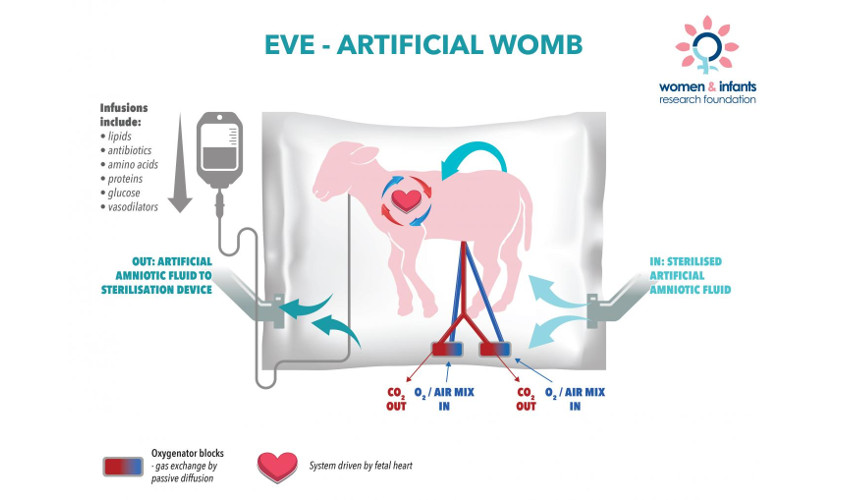
An Artificial Womb Offers Hope For Preemies
Scientists have developed an artificial womb that could someday save the lives of extremely premature babies.