


Asian Scientist Newsroom

ABOUT
Asian Scientist Magazine is an award-winning science and technology magazine that highlights R&D news stories from Asia to a global audience. The magazine is published by Singapore-headquartered Wildtype Media Group.
Stories by Asian Scientist Newsroom

Itch-Specific Neural Circuit Identified
Blocking neurons in a region of the brain known as the parabrachial nucleus can suppress itching in mice, researchers say.
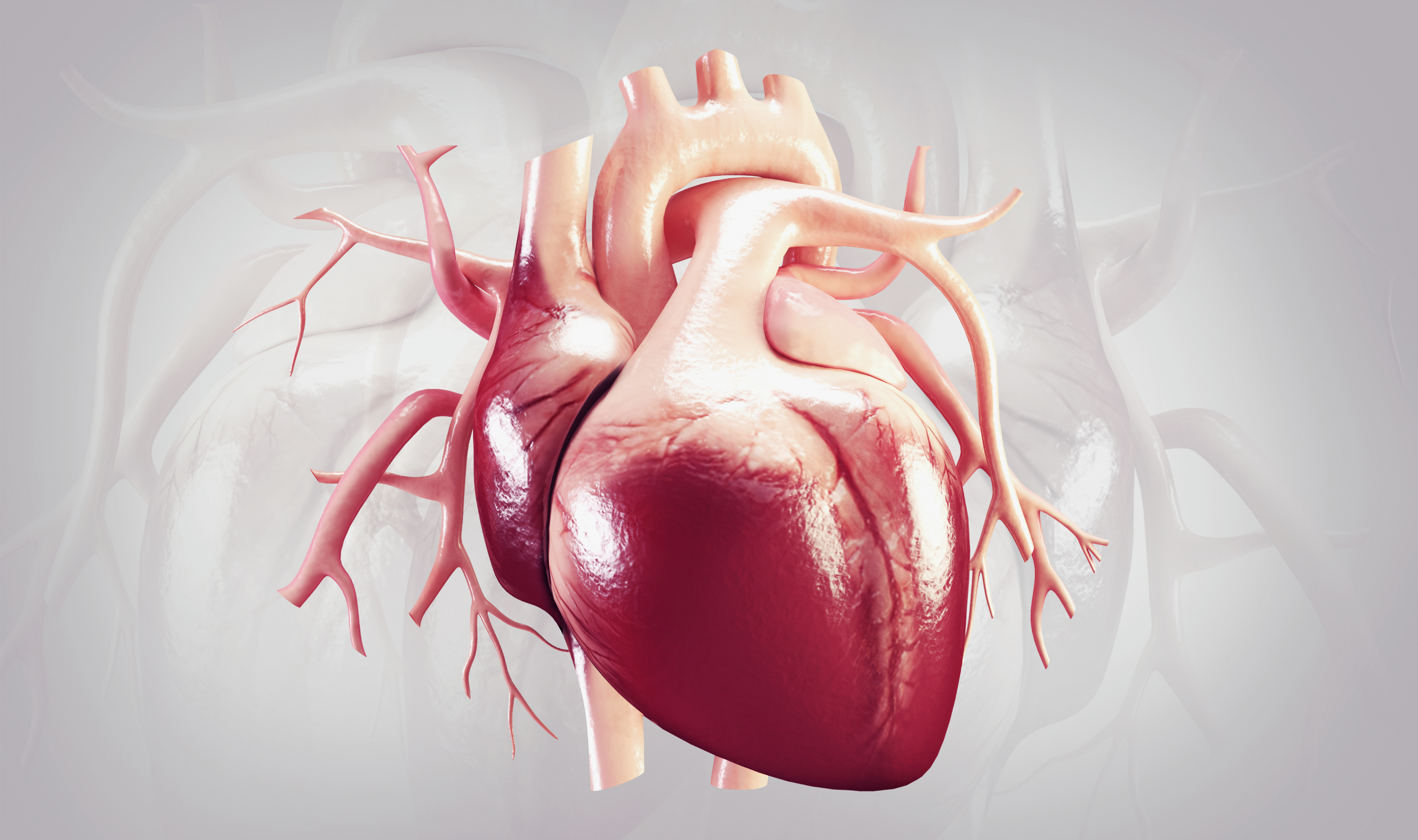
Helping The Heart Heal Itself
Activating a long non-coding RNA molecule called SingHeart could be the key to triggering the regeneration and repair of damaged heart cells.

Understanding Autism Through A Monkey’s Brain
A monkey model of autism could help researchers better understand the disease in humans.

Reprogramming ‘Fixes’ Trisomic Sperm
Cells with extra sex chromosomes can be reprogrammed to create sperm with the correct number of chromosomes that can give rise to healthy offspring.

Fish Oils Suppress Seizures Through Estrogen
Docosahexaenoic acid (DHA) from food reduces the severity of seizures in mice by causing more estrogen to be produced in the brain, researchers say.
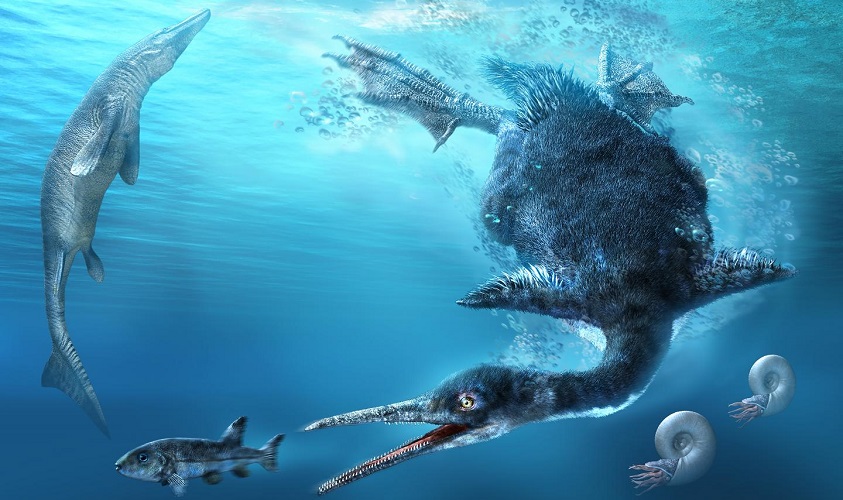
Rare Fossil Sheds Light On Bird Evolution
Amateur fossil collectors in Japan have discovered an iconic marine diving bird heralded as the best-preserved hesperornithiform specimen from Asia.
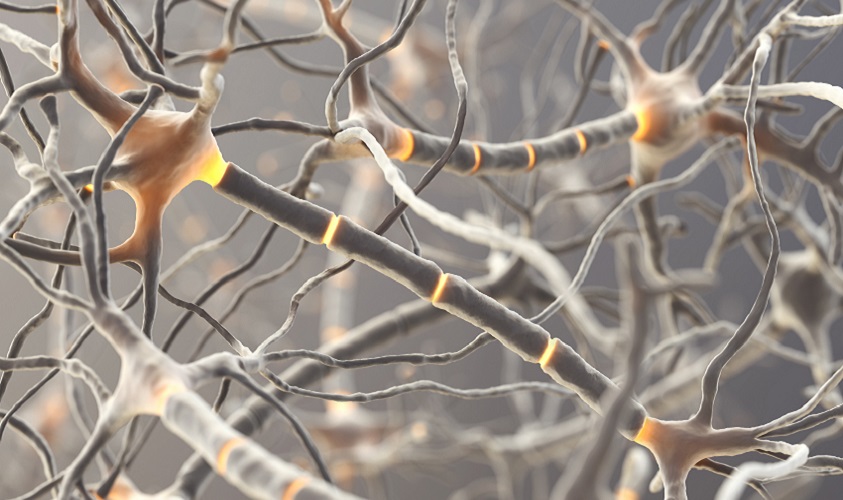
How Toxic Proteins Mess With Your Brain
The buildup of mutant proteins with too many glutamine residues causes disease by disrupting the number of Golgi in the dendrites of brain cells.

2-In-1 Battery Stores Energy & Captures Carbon
While trying to develop a lithium-air battery, scientists stumbled upon a method to create solid carbon dust from carbon dioxide.

Repurposing Brain Imaging To Detect Kidney Disease
Scientists have used brain imaging techniques to replace invasive biopsies in diagnosing kidney diseases.