


Asian Scientist Newsroom

ABOUT
Asian Scientist Magazine is an award-winning science and technology magazine that highlights R&D news stories from Asia to a global audience. The magazine is published by Singapore-headquartered Wildtype Media Group.
Stories by Asian Scientist Newsroom

Locating The Dengue Virus’ ‘Achilles Heel’
Scientists in Australia and China have identified an antibody protects against all four types of dengue viruses.
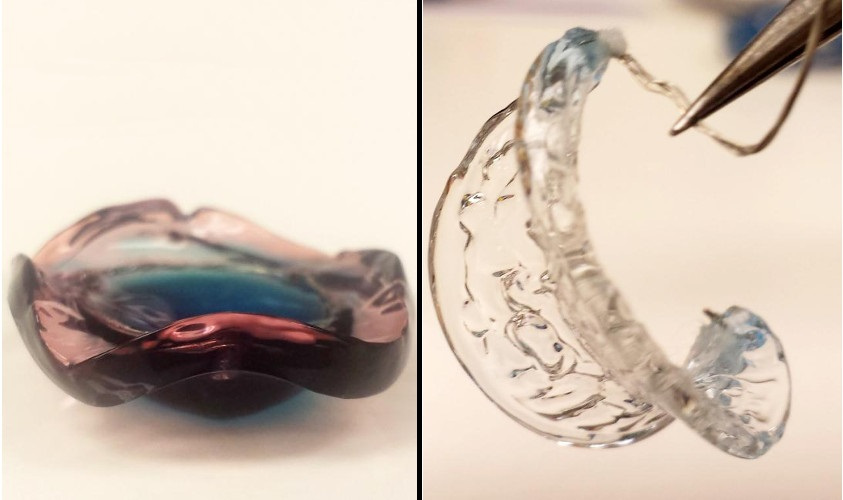
Hydrogels That Grow Like Living Tissues
A team of researchers in Singapore and the US have created hydrogels that grow like biological tissues.

How Genetic Insults Affect Mental Health
Research has shed light on how a molecule called disrupted-in-schizophrenia 1 is linked to a wide range of psychiatric disorders.

Epigenetics Explains Autoimmune Disease In Twins
In identical twins, epigenetics has a role to play in determining susceptibility to autoimmune disease, according to a study by Japanese researchers.

Mapping Urban Infrastructure In 3D
Scientists are developing a software that uses information from laser scanner survey technologies and photography to construct 3D virtual models of infrastructure.

NUS Jointly Establishes AI Center In Suzhou
The NUS Artificial Intelligence Innovation and Commercialization Center in China will be operational by January 2018.
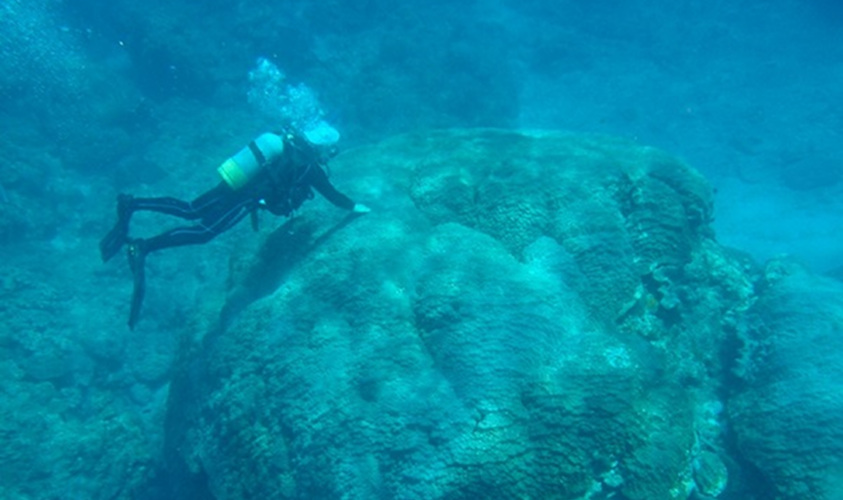
Ocean Acidification Puts Corals At Risk
Scientists in Japan have discovered that ocean acidification inhibits the formation of calcium carbonate skeletons in corals, highlighting yet another detrimental impact of human activity on ocean ecosystems.

Key Prediction In Quantum Mechanics Verified
Using an X-ray free electron laser at the RIKEN SPring-8 Center in Japan, an international team of scientists has validated a quantum-mechanical prediction made in 1954.

Losing An Arm Doesn’t Bother Starfish Bot
Drawing inspiration from starfish, scientists in Japan have developed a robot that can maintain its movement even when one of its limbs is damaged.