


Asian Scientist Newsroom

ABOUT
Asian Scientist Magazine is an award-winning science and technology magazine that highlights R&D news stories from Asia to a global audience. The magazine is published by Singapore-headquartered Wildtype Media Group.
Stories by Asian Scientist Newsroom

Cracking The Mystery Of Fossil-Preserving Rocks
Rather than forming over millions of years, spherical rock formations known as concretions can form in just a matter of months, researchers say.

How Plants Brace Themselves Against Infection
Scientists have discovered that plants create a special brace to ensure accurate detachment of flowers and leaves, covering the ‘wound’ left behind with cutin.

Neutralizing Antibody Shields Mice From Zika Virus
A single injection of a human neutralizing antibody is enough to protect developing mouse embryos against Zika virus infection and microcephaly, researchers say.

This Smart Chip Needs No Batteries
Engineers in Singapore have invented a smart microchip that can self-start and maintain operations when its battery runs out.

Climate Change Might Bring More Rains To Indonesia
Small changes to individual plants such as the closing of their stomata can have an impact on global rainfall patterns, scientists say.

Universal Antibody Drug Against HIV Developed
Hong Kong scientists have developed a bispecific antibody that ‘kills two birds with one stone’ and can neutralize virtually all known strains of HIV.

F1 Race Data Sheds Light On Social Conflict
By analyzing data from F1 races, an international research group has demonstrated that conflict is more likely to occur between rivals of similar social status.
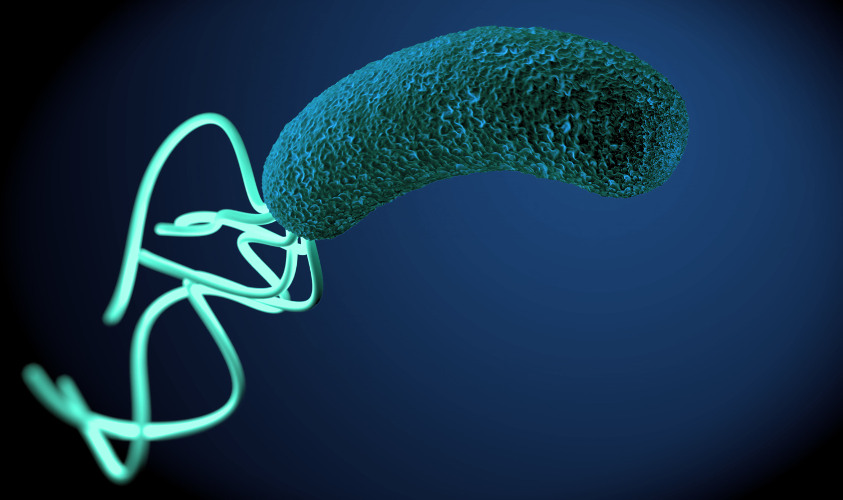
Solving The Puzzle Of Bacteria Propeller Assembly
Using high-speed atomic force microscopy, Japanese researchers have gained a better understanding of the stepwise assembly of bacterial flagella.

Zika Vaccine Candidate Produced In Insect Cells
Chinese scientists have used insect cells to produce Zika envelope proteins that can elicit a protective immune response against Zika infection in mice.