


Asian Scientist Newsroom

ABOUT
Asian Scientist Magazine is an award-winning science and technology magazine that highlights R&D news stories from Asia to a global audience. The magazine is published by Singapore-headquartered Wildtype Media Group.
Stories by Asian Scientist Newsroom

A Porous Material That Remembers Its Shape
Scientists in Japan have created a porous crystal that can change and retain its shape depending on the prevailing conditions.

Rabies Virus Protein Helps Send Drugs To The Brain
Using a protein produced by the rabies virus, scientists in China have developed a nanoparticle which could lead to better treatments for Parkinson’s disease.

Holey Graphene Boosts Hydrogen Production
Graphene riddled with holes can protect metal electrodes from acid degradation, thereby increasing the efficiency of hydrogen production during electrolysis.

First Batch Of Belt And Road Power Engineering Program Graduates
Participants of the workshop were granted exclusive access to key power facilities in Hong Kong and China, and left with a deeper understanding of power engineering.

Miniaturizing Optical Devices To Maximize Their Impact
A team of scientists in Japan has developed a tiny optical implantable biodevice that may be used in optogenetics studies.
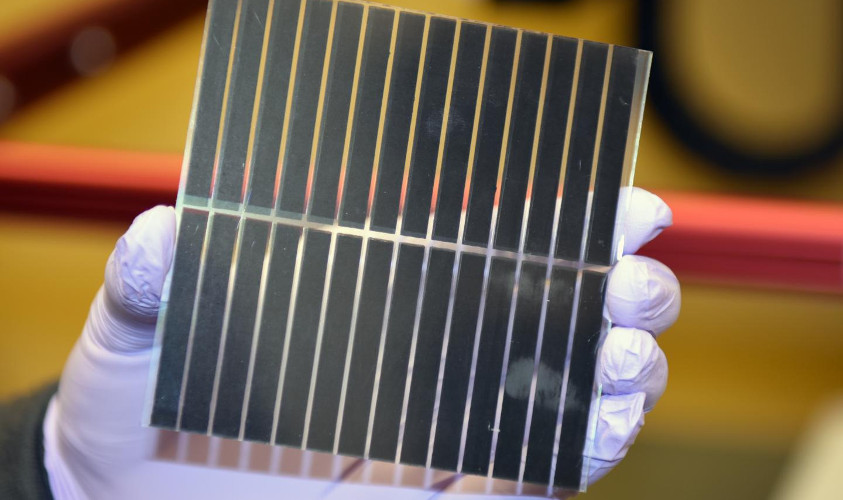
Making Solar Cells Both Stable And Affordable
By incorporating manganese into an all-inorganic perovskite solar cell, scientists have increased its efficiency and stability while keeping manufacturing costs low.

WuXi STA Builds A New R&D Center In Shanghai
The new R&D center in Shanghai, China, will enable drug developers to accelerate their projects from preclinical to commercial stage.

How Transient Synapses Shape The Brain
Researchers in Japan have revealed that subplate neurons form transient synapses with newborn neurons and send signals to control their migration.

The Wild Ride Has Only Just Begun
With its official launch on May 4, 2018, Singapore-based Wildtype Media Group aims to kick science communication into hyperdrive.