


Asian Scientist Newsroom

ABOUT
Asian Scientist Magazine is an award-winning science and technology magazine that highlights R&D news stories from Asia to a global audience. The magazine is published by Singapore-headquartered Wildtype Media Group.
Stories by Asian Scientist Newsroom

Tackling Omicron With T Cells
T cells are still expected to be effective against the Omicron variant of SARS-CoV-2, shows a study by Hong Kong-Australia research team
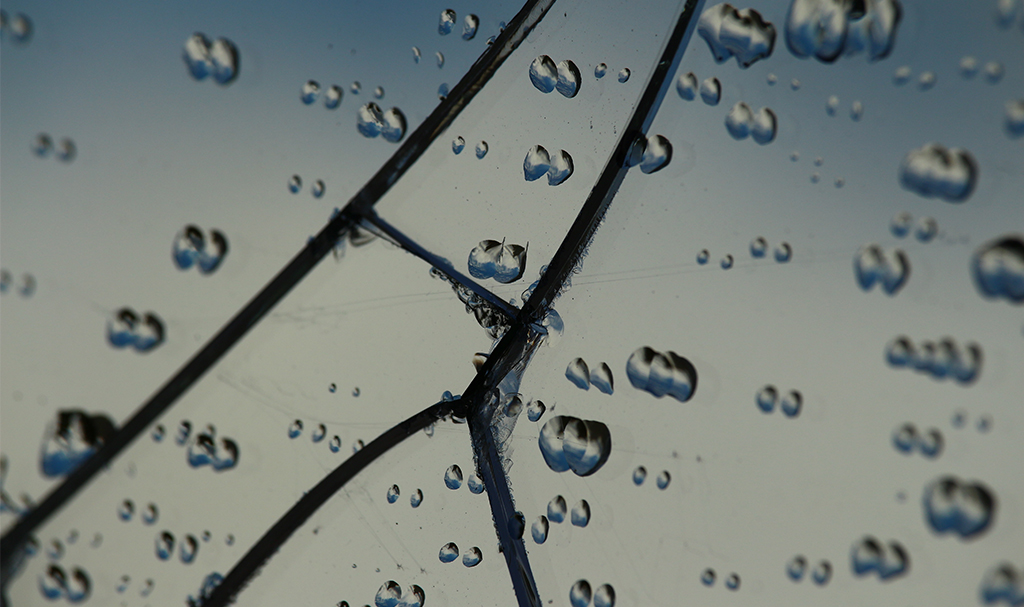
Cracking The Mystery Of The Shattered Glass
To make building safer, scientists from South Korea have determined how water aggravates cracks on glass windows.

Women Wunderkinds
To celebrate this year’s International Day of Women and Girls in Science, we take a look at eight shining examples of scientific excellence in Asia.

Meet New Weevils Including One Named Corona
Scientists have discovered 28 new species of beetles belonging to the weevil genus Trigonopterus on the Indonesian island of Sulawesi.

Returning Power To Insecticides
By replacing insecticide-resistant genes in fruit flies with susceptible forms, an India-US research team is devising ways to lower insecticide use in farms.

Rethink Building Design To Reduce Virus Spread
By mapping air flow in dormitories, researchers from Singapore have pinpointed the building layouts that lead to stagnant air and raise the risk of viral transmission.
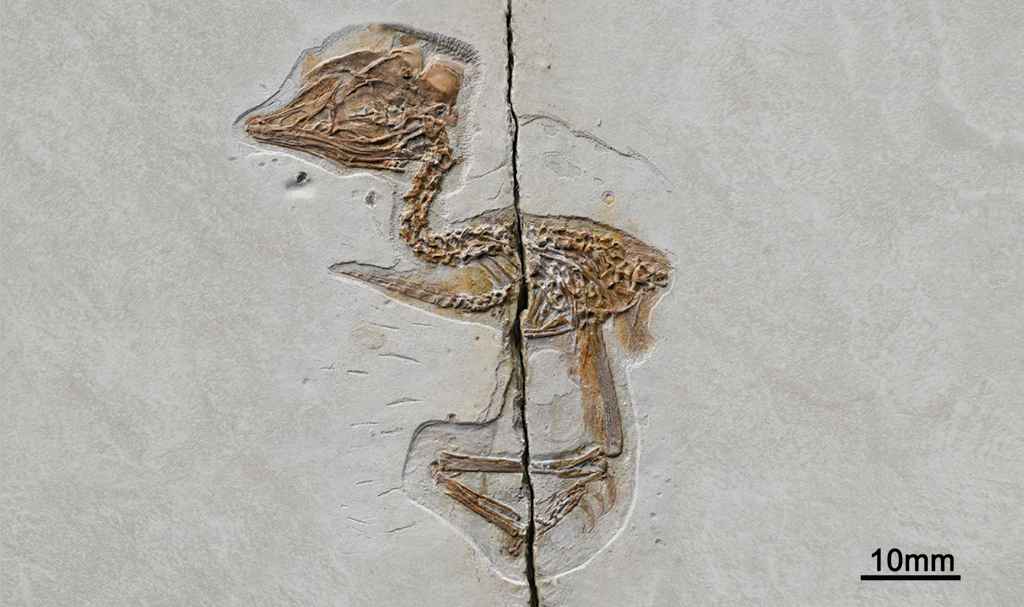
A Dino Locked Inside A Bird Skull
A tiny bird skull uncovered in China provides clues to early birds’ jaws sharing similar functions with their dinosaur ancestors than modern birds.

Ice Or Not To Ice A Muscle Injury
Applying ice to a severe muscle injury may prolong the recovery process, researchers from Japan have found.

The Power Of Waste Heat
Scientists from South Korea used 3D printing to develop thermoelectric inks, which helped design tubes that can convert waste heat into electricity.