


Asian Scientist Newsroom

ABOUT
Asian Scientist Magazine is an award-winning science and technology magazine that highlights R&D news stories from Asia to a global audience. The magazine is published by Singapore-headquartered Wildtype Media Group.
Stories by Asian Scientist Newsroom

Understanding The Drive For Social Connection
A peptide associated with regulating parental behavior in mice may be important in understanding loneliness, and the craving for social interaction.

All-women Philippine Team Wins UNESCO Sustainable Engineering Hackathon
WONDERPETS from the Philippines devised a sustainable way to reduce water pollution. We are celebrating their UNESCO hackathon victory today on International Women's Day.
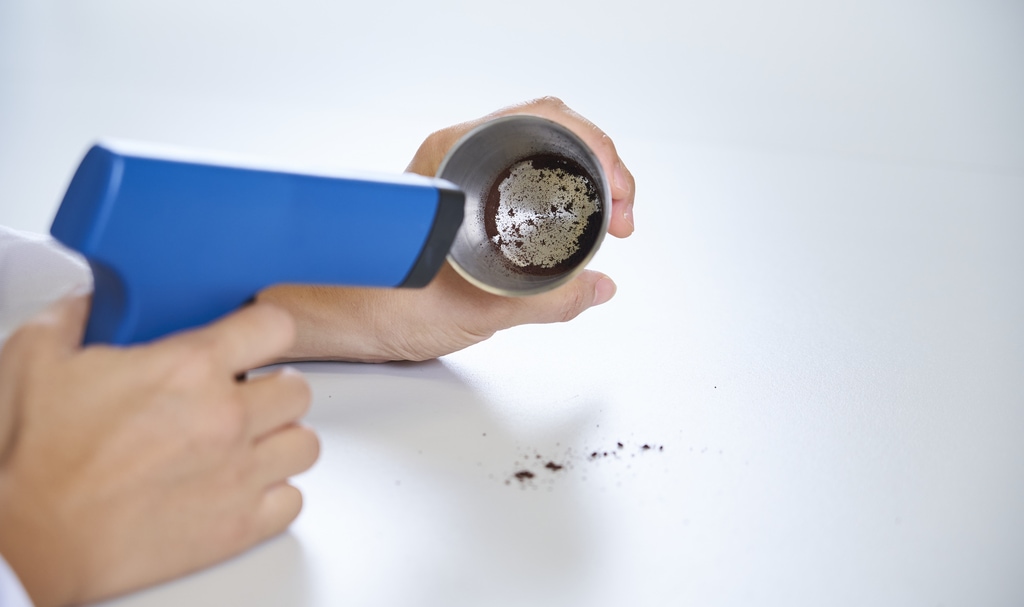
The Trouble With Triboelectricity: Lessons From Coffee Mixes
Singapore Institute of Technology (SIT) researchers are mixing up ways to minimize triboelectricity-induced fouling, a problem that has long plagued powdered food manufacturing.

Preparing A Pipeline Of Life Sciences Talent
PSB Academy offers students a flexible life sciences education with well-equipped facilities as well as overseas research opportunities at La Trobe University where they can learn from distinguished faculty.

Astrocytes: More Than Just A Neuron’s Assistants
Astrocytes could be contributing to storing memories and more in the brain, hints a study from Japan.
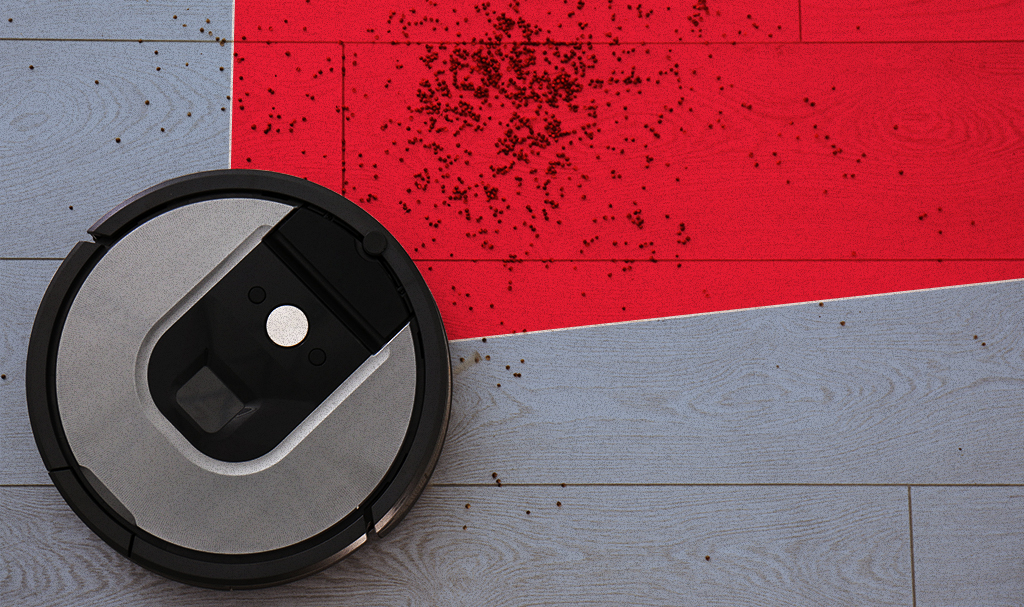
Robots Keep Spotless Score
Researchers from Singapore have designed a sensor for autonomous cleaning robots making them better cleaners.

Shielding COVID-19 Risk On Ride-Sharing Bikes
Plastic barriers placed between driver and passenger on ride-sharing motorbikes reduces the risk of COVID-19 viral spread.

GenScript Launches Manufacturing Facility In Singapore
GenScript’s new facility is set to improve support for scientists in the Asia-Pacific region with shorter delivery time and local collaboration.
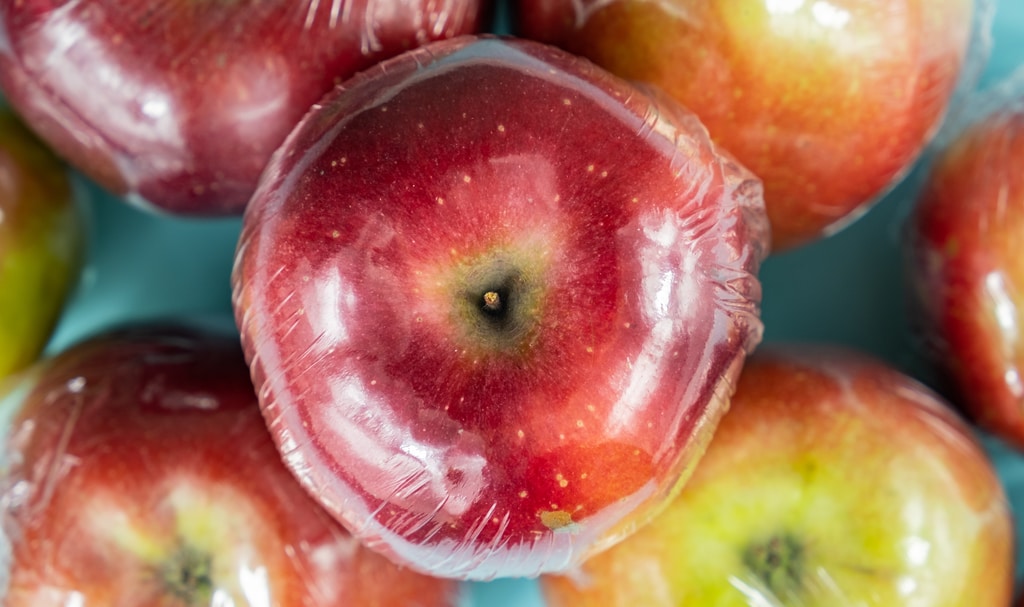
Smart Packaging To Keep Food Fresh For Longer
A smart food packaging material with antimicrobial properties, developed by a Singaporean-American team, could extend the shelf life of fresh produce.