AsianScientist (Apr. 28, 2015) – Researchers have determined that individuals with human immunodeficiency virus (HIV) infection or those who inject illicit drugs have a higher risk of becoming infected with the hepatitis D virus (HDV) in that country. The study, published in Hepatology, suggests that effective strategies are need to contain a potential HDV epidemic in these high-risk populations.
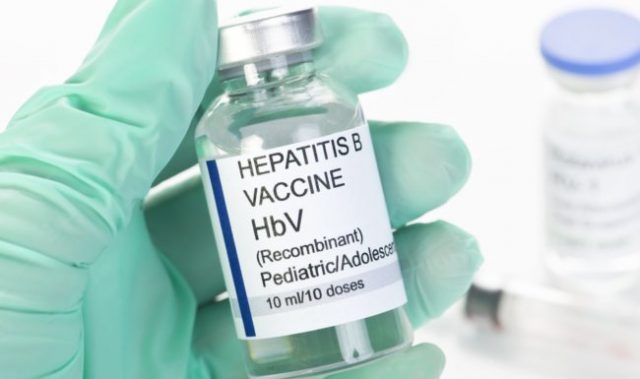
Hepatitis is a disease that causes liver inflammation. HDV is one of the five main viral strains (A, B, C, D, E) and occurs only in those infected with hepatitis B (HBV). While the HBV vaccine offers some protection, studies report that patients dually infected with HBV and HDV have more severe liver disease, with rapid progression to cirrhosis. Further evidence shows HBV/HDV patients have a poor response rate to treatment with interferon and antivirals (nucleoside or nucleotide analogues) that inhibit the replication of the virus.
“Nearly 20 million people worldwide have HDV, with prevalence varying between geographic regions,” note Dr. Lin Hsi-Hsun of E-Da Hospital/I-Shou University and Professor Wu Jaw-Ching with Taipei Veterans General Hospital and the National Yang-Ming University in Taiwan, lead authors of the present study.
“HBV is endemic in Taiwan, but with HBV vaccination and sustained health education to general public to interrupt HDV transmission routes we have witnessed a decrease in acute HDV superinfection from 24 percent of chronic hepatitis B with acute exacerbation in 1983 to four percent in 1995.”
After an outbreak of HIV and hepatitis C (HCV) among injection drug users, novel strains of HCV were discovered in Taiwan. Given the high-risk populations (HIV and injection drug users) involved, researchers speculated that the outbreak may have affected HDV prevalence.
The team enrolled 2,562 hepatitis B surface antigen (HBsAg)-positive patients in this prospective, multicenter, cohort study between 2001 and 2012. The prevalence, genotype and risk factors associated with HDV infection were examined.
Results of the study show that HDV prevalence rates were 75 percent, 44 percent, 11 percent, 11 percent, and four percent among HIV-infected injection drug users, injection drug users without HIV, gay men infected with HIV, heterosexual men with HIV infection and the general population of HBsAg-positive individuals, respectively.
Researchers found a significant increase in the trend of HDV prevalence from 39 percent to 90 percent in HIV-infected injection drug users. Risk factors linked to HDV infections were: injection drug use, hepatitis C virus infection, HIV infection, HBsAg blood levels at 250 IU/mL or higher, duration of drug use and older age.
Further analysis determined that the most prevalent genotype among injection drug users was HDV genotype IV at 72 percent, while genotype II was more dominant among non-injection drug users at 73 percent. Among individuals in the HIV group who were also HBsAg-negative and born after 1987 when universal HBV vaccination had been implemented in Taiwan, nearly 53 percent had anti-HBs Ab levels less than ten mIU/mL. The team also observed significantly higher HBsAg seroprevalence in the HIV group born after 1987 compared to the control at eight percent vs zero percent.
“Our findings indicate that injection drug users, especially those infected with HIV, are the highest risk group for HDV infection in Taiwan, despite a 30-year hepatitis B vaccination program,” concludes Wu.
“New strategies, such as methadone maintenance therapy and clean syringe exchange, [are needed] to inhibit injection drug use are needed to control the spread of HDV.”
In addition, the authors suggest that a HBV vaccination booster may be considered for high risk groups.
The article can be found at: Lin et al. (2015) Changing Hepatitis D Virus Epidemiology In A Hepatitis B Virus Endemic Area With A National Vaccination Program.
———
Source: Wiley; Photo: eric molina/Flickr/CC.
Disclaimer: This article does not necessarily reflect the views of AsianScientist or its staff.