AsianScientist (Jun 23, 2014) – Mothers of herpes simplex virus-infected newborn babies in Australia are four times more likely to be young women aged less than 20 years of age, a University of Sydney study reveals.
Neonatal herpes simplex virus (HSV) infection is a rare but serious condition that can present with sores and lesions to the skin, eyes or mouth, encephalitis, or disseminated infection affecting multiple glands and organs.
“Neonatal HSV infection is usually acquired during delivery following maternal genital HSV infection, but can also be acquired post-natally from an infected contact,” says the study’s lead author, University of Sydney Professor of Paediatric Infectious Diseases, Dr. Cheryl Jones.
“Without antiviral therapy, death or handicap is almost inevitable after disseminated or central nervous system (CNS) disease.”
Though rare, HSV infection in newborns is now more common in Australia than other serious conditions passed from mother to child, such as congenital rubella, congenital syphilis, and perinatal human immunodeficiency virus (HIV).
Underlining the lethal nature of neonatal HSV-infection, the 15 year longitudinal population-based surveillance University of Sydney study reveals that although mortality has fallen in recent years, 19 percent of HSV-infected neonates died in a study population of 131 cases.
Published in the Clinical Infectious Diseases, the study confirms international research showing that HSV-1 has replaced HSV-2 as the leading cause of neonatal HSV disease.
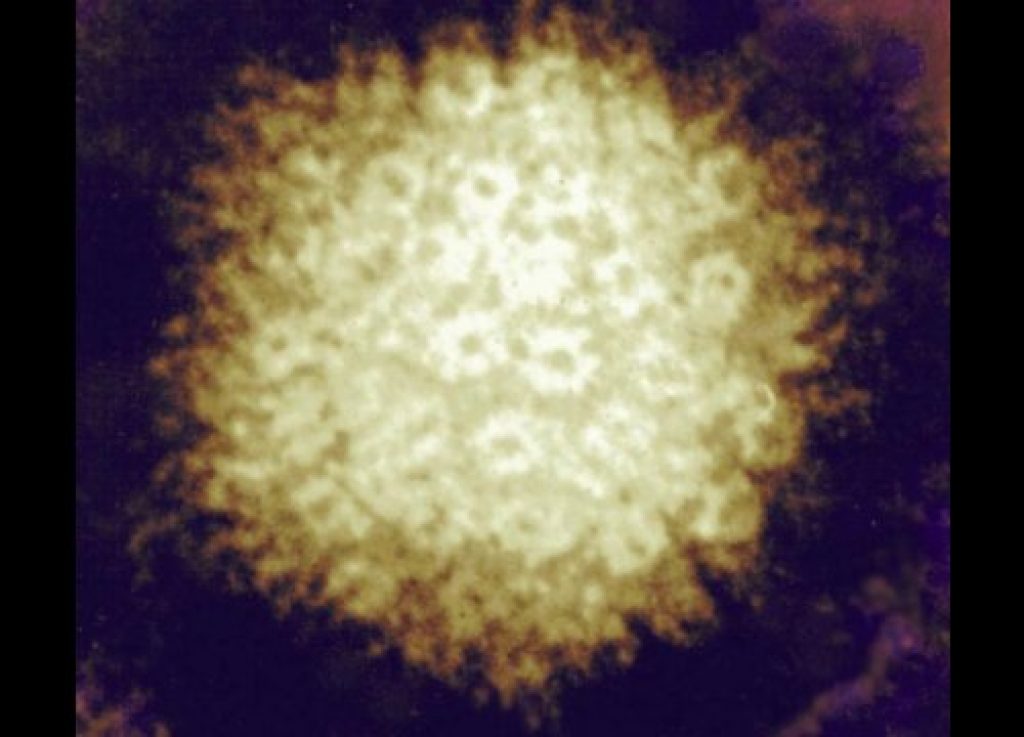
Herpes simplex virus 1 and 2 (HSV-1 and HSV-2), also known as human herpesvirus 1 and 2 (HHV-1 and HHV-2), are two members of the herpesvirus family, Herpesviridae, that infect humans. Both HSV-1 (which produces most cold sores) and HSV-2 (which produces most genital herpes) are ubiquitous and contagious.
They can be spread by contact with herpes lesions when an infected person is producing and shedding the virus. Herpes simplex can be also spread through contact with saliva, such as sharing drinks.
“In the past, HSV-1 was typically associated with cold sores, whereas HSV-2 was the main cause of genital herpes,” says Dr. Jones. “However, more recent research shows an increase in genital herpes caused by HSV-1 in Australia, the United States, and elsewhere. This increase has been most marked in young women and is consistent with our findings of an overrepresentation of adolescent mothers in this study.”
“The reasons for this increase are unknown but preventive efforts should include increasing adolescent awareness of sexually transmitted infections like HSV.”
The article can be found at: Jones et al. (2014) Population-based surveillance of neonatal HSV infection in Australia (1997-2011).
——–
Source: University of Sydney; Photo: NIAID/Flickr/CC.
Disclaimer: This article does not necessarily reflect the views of AsianScientist or its staff.