AsianScientist (Jun. 11, 2026) – Seasonal influenza has a greater impact in Asia than many people realise, and most regions still lack reliable surveillance data. Southeast Asia is identified as having one of the highest seasonal influenza-associated respiratory mortality rates globally, alongside sub-Saharan Africa. While young children are highly susceptible to severe respiratory illness leading to hospitalisation, the highest mortality burdens fall heavily on populations aged 75 years and older.
However, conventional surveillance based on reported patients can lag behind real-world infection trends because it depends on healthcare-seeking behaviour, clinical testing, and reporting processes. To improve early prediction of influenza incidence, scientists from the University of Osaka have developed a model that predicts type-specific influenza cases using two years of wastewater monitoring data from Osaka, Japan. Their findings were published in Water and Environment Journal.
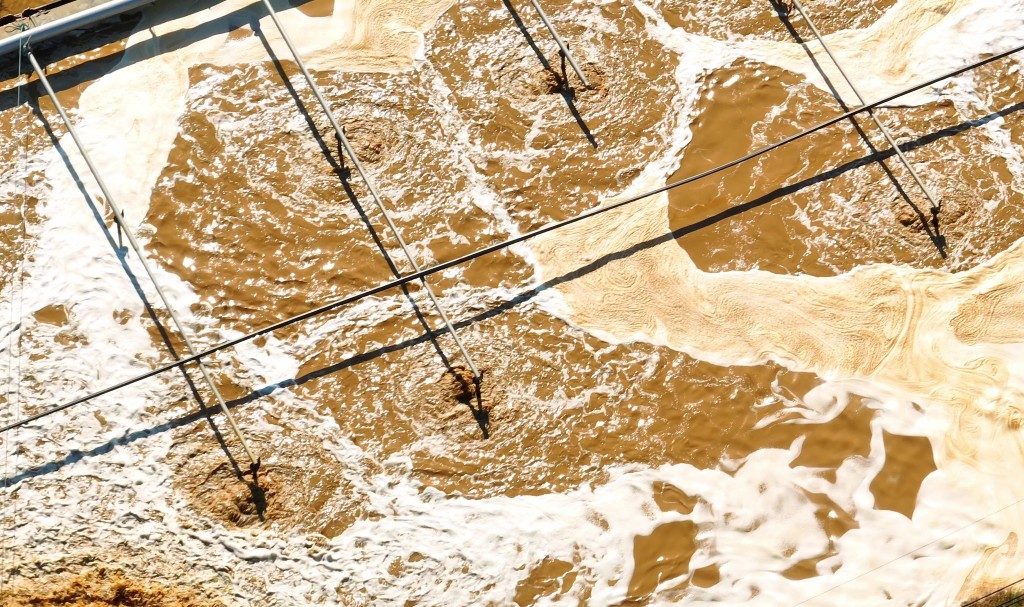
Wastewater-based epidemiology (WBE) tracks disease spread by measuring viruses in untreated wastewater. Previous studies have shown that the RNA concentrations of influenza A and B viruses in wastewater correlate with community infection rates.
In this study, scientists collected weekly wastewater samples from three sewage treatment facilities in Osaka Prefecture between April 2023 and April 2025. They analysed the RNA levels of influenza A and B viruses in the wastewater and combined these findings with infectious disease monitoring data to develop statistical models to help forecast influenza cases.
The findings revealed that the model accurately predicted the overall incidence of influenza A and B during both the development and validation phases. This method also allowed for the independent analysis of trends of influenza A and B.
The researchers emphasised that further validation is needed when various subtypes of influenza A and lineages of influenza B are prevalent.
One of the key benefits of wastewater surveillance is its promptness. The measurement of viral RNA in wastewater can potentially be obtained within one to two days after sampling, while clinical data on influenza cases is usually available about a week later. Hence, the estimates derived from wastewater could furnish public health officials with earlier insights into outbreak patterns.
Wastewater surveillance might also indicate the level of infection activity even when clinical testing is sparse. Influenza A virus RNA was detected in wastewater even during periods without outbreaks, indicating that wastewater signals can identify infections missed by patient-based monitoring.
“By measuring influenza virus in wastewater, we found that community influenza outbreaks can be estimated by type, separating influenza A and B, about one week earlier than publicly available patient report data. While this paper reports results through April 2025, we have continued monitoring since then and have confirmed that our model continues to estimate outbreak trends with high accuracy. We expect these findings will support earlier preparedness of healthcare systems, such as securing hospital beds in anticipation of increased admissions as influenza cases rise,” said Michio Murakami, Professor, Centre for Infectious Disease Education and Research (CiDER), University of Osaka and the lead author of the study.
The findings suggest that wastewater surveillance can enhance traditional influenza monitoring and facilitate earlier preparedness.
Moreover, detecting outbreak trends sooner will help healthcare providers and public health officials make timely decisions regarding hospital bed allocation, staffing, and other healthcare resources.
This approach may also apply to other infectious diseases and help establish real-time community-centred surveillance systems.
—
Source: University of Osaka; Image: Andromeda stock/shutterstock
This article can be found at Early Prediction of Type-Specific Influenza Incidence Using Wastewater-Based Epidemiology
Disclaimer: This article does not necessarily reflect the views of AsianScientist or its staff.