AsianScientist (Sept. 25, 2026) – Viral infections can affect people very differently. While some people develop only mild illness, others become severely ill or even die. Scientists know that factors related to the person, such as age, genetics and lifestyle, as well as the virus and the environment, can influence the outcome. However, they still do not fully understand what determines the course of an infection in its earliest stages. Understanding this could help doctors identify people at risk of severe diseases and treat them earlier.
Previous studies have compared the immune responses of people with mild and severe infections and found that changes in certain immune cells and chemical signals called cytokines are linked to disease severity.
However, most of these studies examined patients only after they had developed symptoms, making it difficult to determine what happened at the very beginning of the infection.
Now, Japanese researchers have used mouse models to investigate these early immune responses, and their findings suggest that a critical part of the outcome may be determined within the first 24 hours after infection. The findings were published in Science.
The researchers wanted to understand what happens immediately after a virus enters the body. The immune system’s first line of defence, known as innate immunity, kicks in before the body’s longer-term immune response develops. This early response can help stop the virus from multiplying and influence how the infection progresses.
To study this, the researchers used genetically identical mice raised under the same controlled conditions. They infected the animals with a lethal virus called vesicular stomatitis virus (VSV) and examined their blood before and shortly after infection.
They then compared the early immune responses of mice that eventually survived with those that died.
They found that differences in the immune response were already visible in the blood within 24 hours, and these differences were associated with survival.
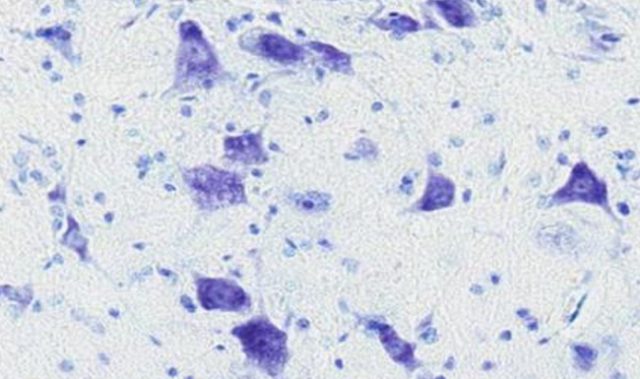
These changes happened before significant immune changes appeared at the main infection site, the olfactory bulb, the part of the brain that got infected when the virus entered through the nose.
This suggests that the body’s eventual response to a viral infection may begin taking shape very early, and that these changes may be detectable in the blood before severe disease develops.
The researchers also found that the surviving mice had a rapid increase in type I interferon, particularly IFNβ, an immune-signalling protein that helps coordinate the body’s defence against viruses.
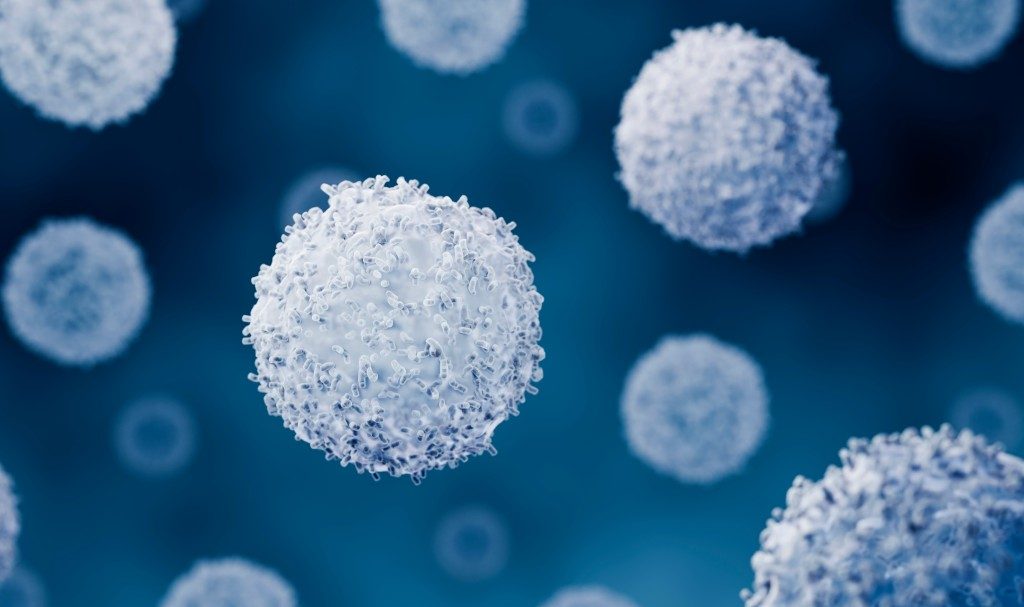
This early interferon response was followed by the appearance of a distinct population of neutrophils – immune cells involved in fighting infections. These neutrophils had high levels of a protein called ICAM1 and showed characteristics associated with a strong antiviral response. ICAM1-positive neutrophils were more common in mice that survived than in those that died.
The timing of the interferon response was also significant. When the researchers blocked type I interferon during the first 24 hours after infection, most of the mice died. But blocking it two days after infection had little effect, indicating a critical early period for an effective antiviral response from the immune system.
The researchers then investigated whether ICAM1 itself played a role in survival. They removed ICAM1 from a group of immune cells that includes these neutrophils.
The mice were found to be less likely to survive the infection, suggesting that ICAM1 is not simply a marker of inflammation but actively contributes to protection against viral infection. The findings suggest a critical window early in infection during which the immune system decides to establish an effective antiviral response.
“Biological variability should not always be viewed as experimental noise,” said Tomohiko Okazaki, associate professor at the Institute for Genetic Medicine, Hokkaido University and lead author of the study. “Instead of treating differences between genetically identical individuals as experimental noise, we viewed them as a source of biological insight. That approach allowed us to uncover an early immune checkpoint that would have been difficult to identify using conventional comparisons.”
“Since the COVID-19 pandemic, there has been growing interest in understanding why viral infections can produce dramatically different outcomes among individuals,” he said.
“Age and underlying medical conditions are well-known risk factors, but they do not fully explain this variability. Our findings identify an early immune mechanism that may help account for these differences and could inform future therapeutic strategies,” he added.
Further research is needed to determine whether a similar mechanism operates in humans. However, the study offers insight into why identical infections can result in dramatically different outcomes. The findings suggest that treatments designed to strengthen or mimic this early immune response may lead to better outcomes in cases of severe viral infections.
—
Source: Hokkaido University; Image:
This study can be found at: Type I IFN dynamics orchestrate protective ICAM1+ neutrophil heterogeneity as an early checkpoint for survival in lethal viral infection
Disclaimer: This article does not necessarily reflect the views of AsianScientist or its staff.