2. They’re hot
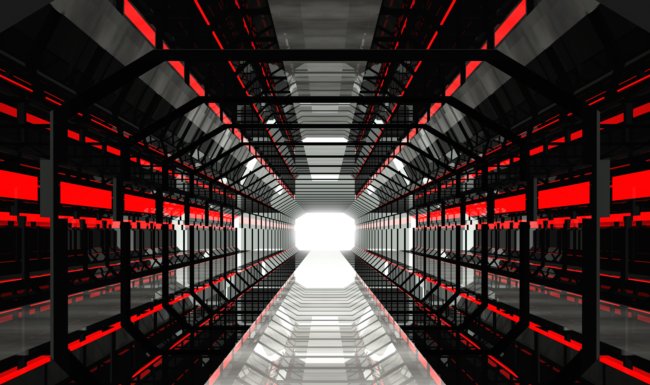
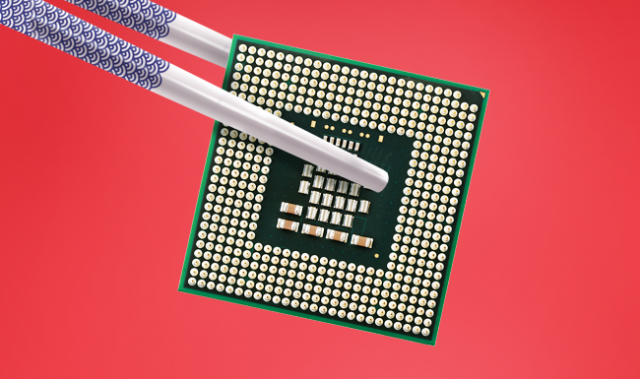
Like brains that (arguably) run on coffee, each central processing unit (CPU) needs electrical energy to crunch data. Unsurprisingly, a supercomputer with thousands of CPUs consumes megawatts of electrical power. As a rough estimate, the amount of electrical energy supplied to China’s Tianhe-2 to keep it running daily is enough to power more than 10,000 homes, or a small city. All this electrical energy gets dissipated as heat, meaning you would break a sweat just by being close to a supercomputer.
To keep supercomputers from overheating, air conditioning or liquid coolant systems must be installed. All these additional features make supercomputing an energy-intensive and expensive activity, not to mention the impact on the environment. To reduce the environmental footprint of supercomputing, heated water from supercomputers is sometimes used to keep buildings warm. See our interview with green computing pioneer Satoshi Matsuoka for more info!