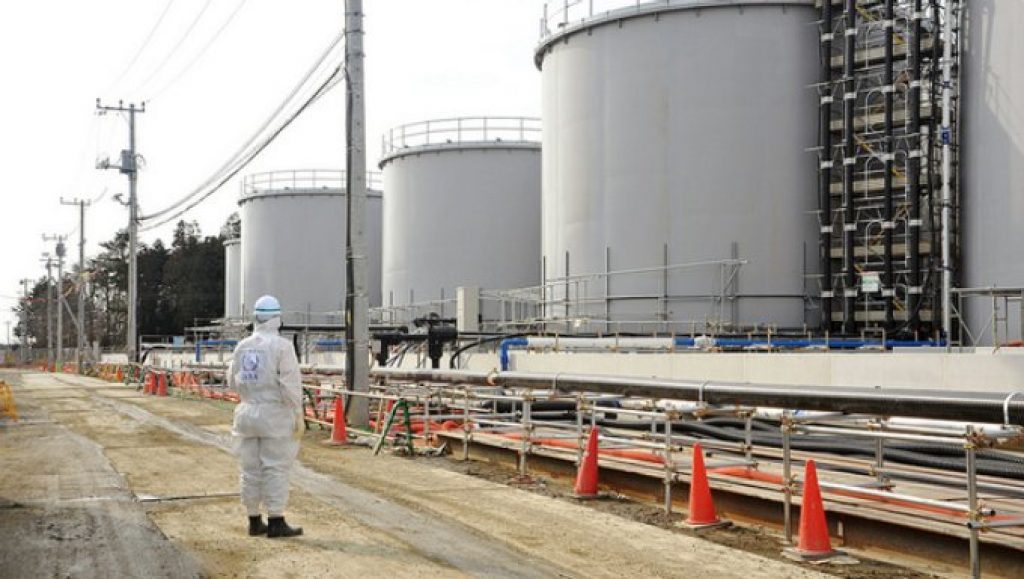
AsianScientist (Mar. 30, 2015) – By Pervez Hoodbhoy – In March 2011, even as explosions were tearing through the Fukushima complex, the Pakistan Nuclear Regulatory Authority nonchalantly declared that a similar disaster could never happen here. It issued the following vanilla guarantee: “Due to geographical differences between Pakistan and Japan, the likelihood that similar extreme natural events may occur in the vicinity of the country’s nuclear plants is quite small.”
This is technically correct. Two extreme natural events are unlikely to be similar. But, how would Pakistan deal with massive radioactive release after deliberate sabotage, a terrorist attack, equipment failure, or operator error? The 120,000 of Fukushima could flee, the 20 million of Karachi cannot.
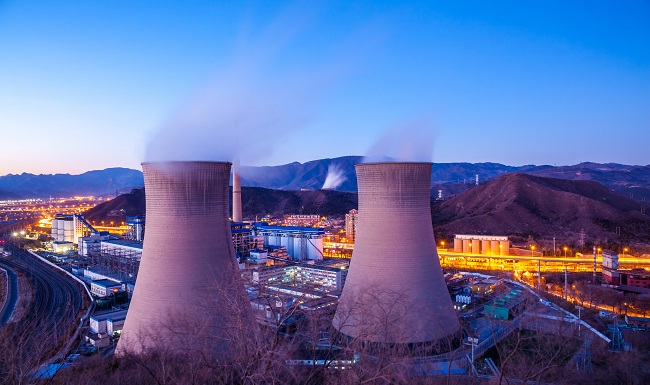
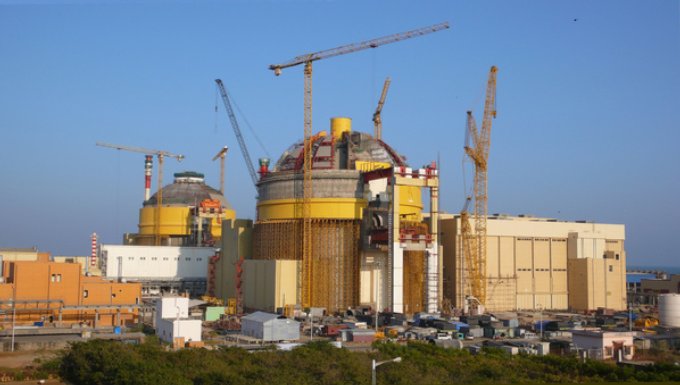
Along Karachi’s coast, the construction of two additional 1,100 megawatts nuclear power plants is underway. Of untested design, they are China’s first export of reactors to another country. A loan offer of US$6.8 billion—larger than Pakistan’s annual defense budget—was an important enticement.
Pakistan must indeed look towards nuclear energy, but only of the fusion kind drawn from the sun. Cheaper by the day, small decentralized solar and wind units offer the best option for households. This will greatly decrease the pressure on gas, oil and hydro generation and release energy for industry. It is time for Pakistan to follow the world into a cleaner, safer 21st century.
In India, according to a report released this month by Deutsche Bank, solar will provide 25 percent of the country’s power capacity by 2022. China added a world record of 23 gigawatts of new wind power capacity in 2014, of which 84 percent has already been connected to the grid. Solar is expected to be the dominant source of energy worldwide within the next 15 years and generate US$5 trillion in revenue. Although its intermittent nature necessitates supplements, new energy storage mechanisms have made much progress.
On the other hand, nuclear fission has a dismal future. Its global share dwindled from 17 percent in 1995 to 10 percent in 2013 and global investment in new reactors is about five times less than in renewables. China, which aggressively seeks to export reactors, now has six times more installed capacity in renewables than in nuclear.
The world now recognizes that nuclear power makes less and less economic sense. The complexity of reactors, together with enhanced safety features, has sharply increased capital and running costs. Second, and more importantly, majorities in the United States, Europe and Japan think reactors are unsafe even with additional safety features.
—–
Source: SciDev.Net.
Disclaimer: This article does not necessarily reflect the views of AsianScientist or its staff.