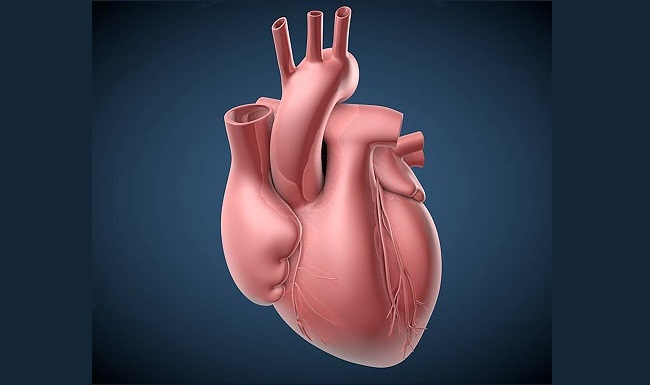
Asian Scientist (Mar. 5, 2014) – Doctors have devised a way to treat atrial fibrillation (a-fib) by adding a little alcohol to minimally invasive therapies that target a cluster of misbehaving nerves known to trigger arrhythmia.
A-fib is the most common type of cardiac arrhythmia, a general condition in which the heart does not beat correctly. In a-fib, one or both of the heart’s upper two chambers quiver in between beats. This disrupts blood flow and weakens the power with which the heart pumps oxygenated blood to all parts of the body.
One in twelve people over the age of 80 have a-fib and a rapid heart rate is a typical symptom. Other possible symptoms are heart palpitations, an inability to do sustained physical activity, chest pains, and edema.
In a paper published in the Journal of the American College of Cardiology, the researchers from Japan and the U.S. found that adding four or fewer injections of 98 percent ethanol to catheter-aided radio wave ablation of nerve clusters was enough to damage or kill the nerves responsible for the arrhythmia. This dulls or stops the transmission of electrical impulses that cause a-fib.
“This is a therapy that targets cardiac nerves previously shown to be involved in atrial fibrillation,” said Dr Miguel Valderrábano, principal investigator of the study.
“Radiofrequency ablation carries risks of collateral damage to other structures and there are also risks associated with surgical approaches.”
“We show that chemical ablation with alcohol can achieve elimination of abnormal nerve activity, introducing a catheter through a neck vein and doing all the work through it.”
The addition of alcohol appeared to be far more effective at disrupting the nerves than the standard radio wave ablation therapy which uses concentrated radio waves to burn tissues in a small area.
Catheter ablation is an effective treatment for atrial fibrillation but the fix is not always permanent. Many patients find that the condition returns months or years after the first procedure, and many opt to undergo a second ablation operation.
Valderrábano and others are investigating how procedures might be improved so they only need to be done once.
The article can be found at: Báez-Escudero JL et al. (2014) Ethanol Infusion In The Vein Of Marshall Leads To Parasympathetic Denervation Of The Human Left Atrium: Implications For Atrial Fibrillation.
——
Source: Houston Methodist Hospital; Photo: Rennett Stowe/Flickr/CC.
Disclaimer: This article does not necessarily reflect the views of AsianScientist or its staff.