AsianScientist (Mar. 16, 2012) – A biomarker that increases the risk of the more severe form of Chikungunya fever (CHIKF) has been discovered by scientists at A*STAR’s Singapore Immunology Network (SIgN).
This breakthrough, made by Dr. Lisa Ng and her local and international colleagues, showed that patients who respond to the disease at the onset with high levels of immunoglobulin G3 (IgG3), a naturally-acquired antibody, are protected from the more severe form of Chikungunya fever, which is characterized by persistent joint pains.
On the other hand, patients with a delayed IgG3 response generally have less acute symptoms at the start, but are more susceptible to chronic debilitating joint pains at later stages of the disease.
Hence, the delayed appearance of IgG3 antibodies serves as a specific biomarker for patients with an increased risk for the severe form of the disease.
Working with computational experts from A*STAR’s Institute for Infocomm Research (I2R), the team also found that a very small defined segment of the Chikungunya viral protein, named E2EP3, was able to induce the natural IgG3 protective response in preclinical models.
Mice vaccinated with the E2EP3 peptides were protected against CHIKV with significant reduction in viral counts and joint inflammation, raising hopes for an effective Chikungunya vaccine in the near future.
“Long-term treatment required for the chronic joint pain in Chikungunya-infected patients places social and economic burden for both patients and the public healthcare system. We are excited that the mechanistic insights gained through our collaborative research with the local hospitals and international research partners have led to discovery of ‘new weapons’ to tackle Chikungunya more effectively,” said Ng.
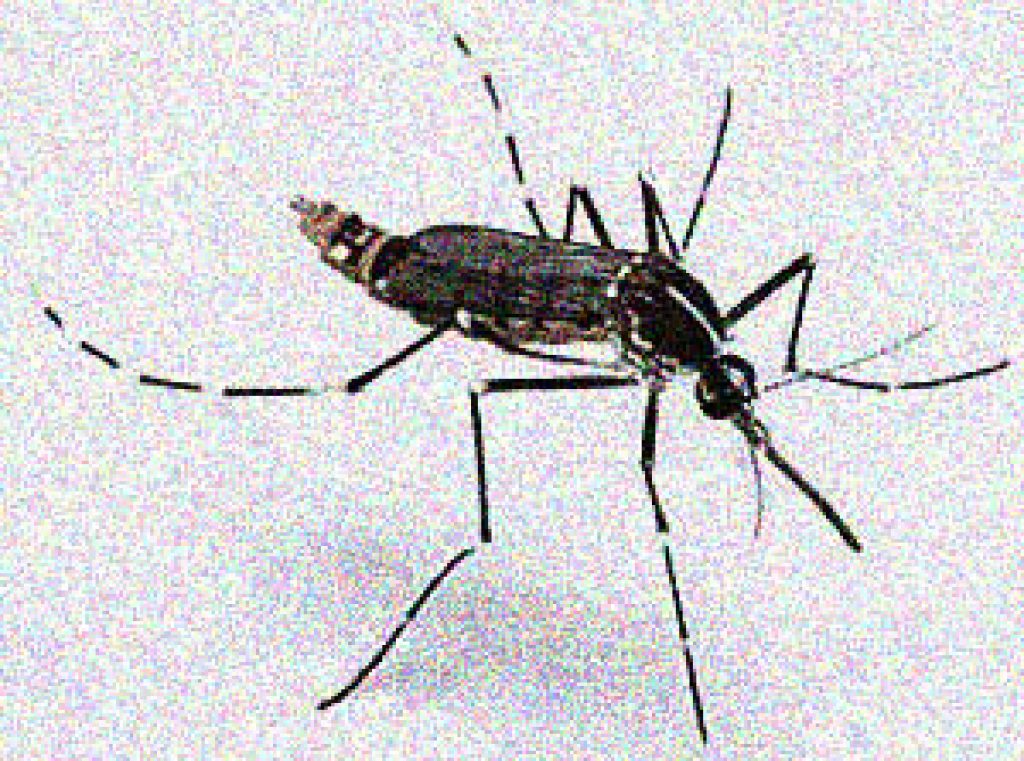
Chikungunya fever, caused by the Chikungunya virus, is a mosquito-borne infectious disease endemic to Southeast Asia and Africa. CHIKV has spread to nearly 20 countries, infecting millions since its re-emergence in 2005.
The infection is characterised by an abrupt onset of fever frequently accompanied by severe muscle and joint pains. Although most patients recover fully within a week, the joint pains in severe cases can persist for months or even years. The disease can be fatal to immunocompromised individuals.
The article can be found at: Kam YW et al. (2012) Early Appearance of Neutralizing Immunoglobulin G3 Antibodies Is Associated With Chikungunya Virus Clearance and Long-term Clinical Protection.
——
Source: A*STAR.
Disclaimer: This article does not necessarily reflect the views of AsianScientist or its staff.