AsianScientist (Aug. 30, 2011) – Panda poop contains bacteria with potent effects in breaking down plant material to produce “biofuels” from grass, wood chips, and crop wastes, report scientists from the Mississippi State University in the United States.
This unusual research was presented on Monday at the 242nd National Meeting & Exposition of the American Chemical Society in Denver.
According to study co-author Dr. Ashli Brown, bacteria from the giant panda are particularly promising for breaking down the super-tough plant material known as lignocellulose in switch grass, corn stalks, and wood chips.
That advance could speed the development of so-called cellulosic biofuels made from these tough plant materials in a way that doesn’t rely on precious food crops such as corn, soybeans and sugar.
Scientists have long known that giant pandas – like termites and cattle – have bacteria in their digestive systems to break down the cellulose in plants into nutrients.
Bamboo constitutes about 99 percent of the giant panda’s diet in the wild. An adult may eat 20-40 pounds of bamboo daily – leaves stems, shoots and all. However, scientists never thought to parse out exactly what microbes in the giant panda gastrointestinal system were involved in digestion.
Brown and colleagues, including graduate student Candace Williams, collected and analyzed the fresh feces of a pair of male and female pandas at the Memphis Zoo for over a year.
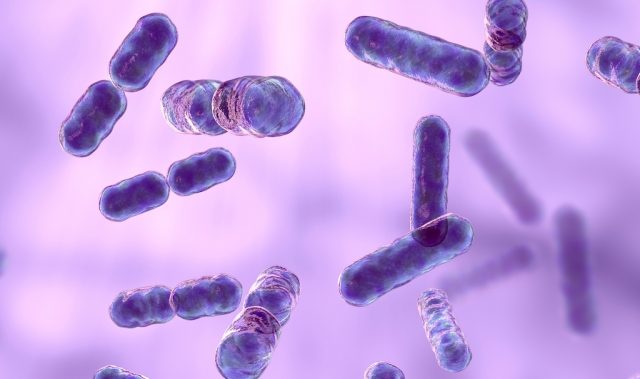
They identified several types of digestive bacteria in the giant panda (Ailuropoda melanoleuca) feces, including some that are similar to those found in termites, which are renowned for their ability to digest wood.
“Our studies suggest that bacteria species in the panda intestine may be more efficient at breaking down plant materials than termite bacteria and may do so in a way that is better for biofuel manufacturing purposes,” said Brown.
Based on other studies, Brown estimated that under certain conditions these panda gut bacteria contain enzymes that convert about 95 percent of plant biomass into simple sugars.
“Animals and plants are a major source of medicines and other products that people depend on. When we lose them to extinction, we may lose potential sources of these products,” Brown said, noting that less than 2,500 giant pandas remain in the wild and about 200 are in captivity.
Brown is currently trying to identify every intestinal bacterium in the giant panda in order to isolate the most powerful digestive enzymes for biofuel production. She suggests that yeasts could be genetically modified to contain these enzymes and grown on a commercial scale for a biofuel industry.
——
Source: American Chemical Society.
Disclaimer: This article does not necessarily reflect the views of AsianScientist or its staff.