AsianScientist (Jul. 21, 2011) – Researchers at the International Rice Research Institute (IRRI) have identified candidate genes responsible for chalkiness in rice.
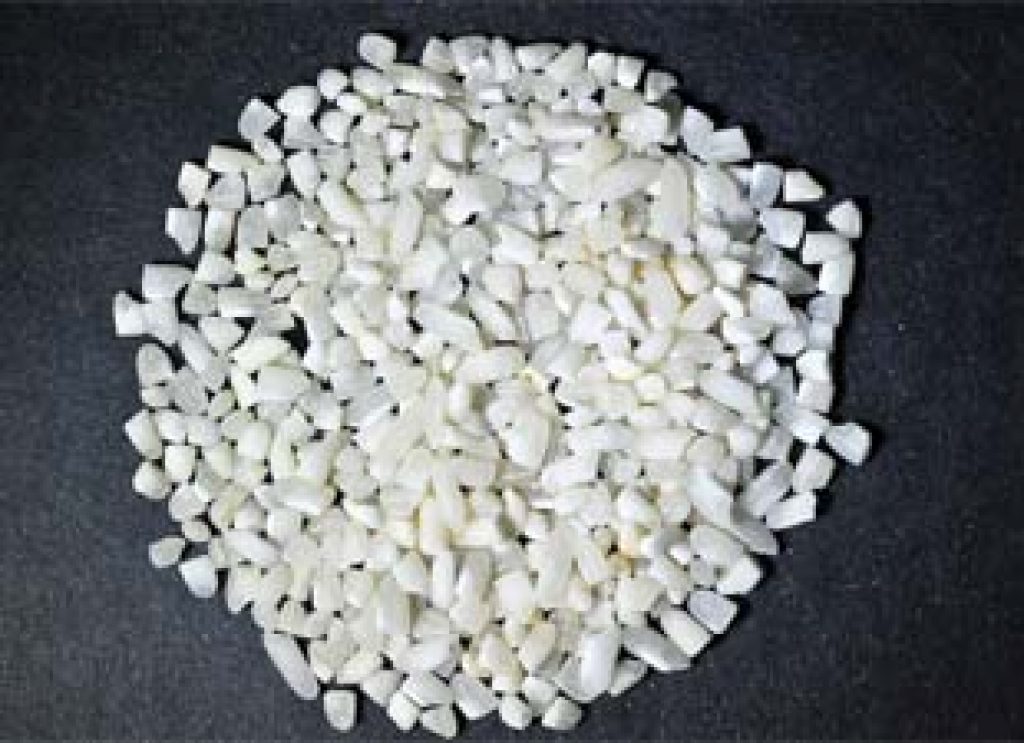
Chalk, the white, opaque portion in rice, increases the chances of the rice grain breaking when milled, thus reducing the amount that is recovered following milling. Chalk-free rice has higher milling recovery, which means better returns for farmers.
“Two things cause chalkiness in a rice grain: genetics and environment. Until now, rice scientists did not know where in the rice genome the genes for chalkiness resided,” said Dr. Melissa Fitzgerald, head of IRRI’s grain quality, nutrition, and postharvest center.
Starting with many lines of rice with different chalkiness properties, Fitzgerald’s team further analyzed rice lines with extremely low chalkiness, and narrowed down candidate genes – also called quantitative trait loci (QTL) – responsible for chalkiness in rice.
The discovery of these genetic regions puts Fitzgerald’s one step away from identifying the actual genes that give rice its chalky trait, information which could lead to the development of higher quality, chalk-free rice varieties.
“Currently, there are only a few commercially available rice varieties that have genuinely low chalkiness, our discovery can help us improve on this,” she said.
—–
Source: International Rice Research Institute.
Disclaimer: This article does not necessarily reflect the views of AsianScientist or its staff.