


kyoto university

Layered Structure Helps Non-Magnetic Material Conduct Electricity
Contrary to theory, a non-magnetic compound has been found to conduct more electricity in a magnetic field.

New Fluorescent Probes Help Solve Cell Membrane Mystery
Researchers have succeeded at observing how raft domains, active sections of the cell membrane with special groups of molecules, form in live cells.
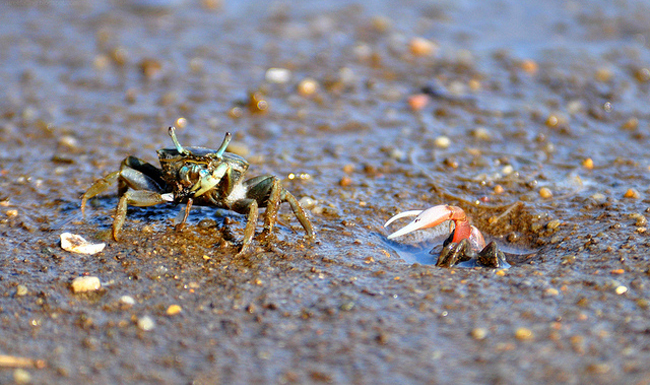
Fiddler Crabs Call Each Other’s Bluff During Fights
Crabs adapt their behavior to suit the opponent they are fighting with, depending on whether they still possess their original enlarged claw or a weaker, regrown one.
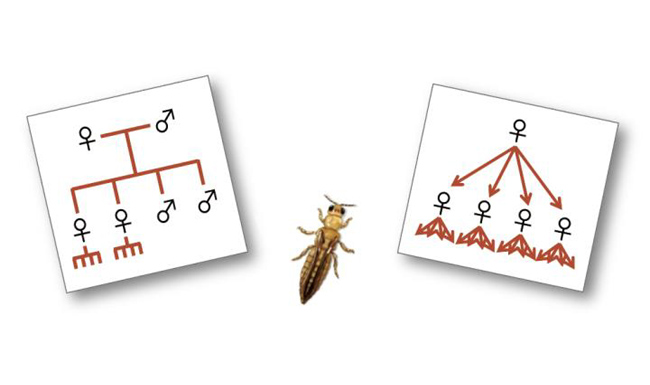
Having More Females Makes Maintaining Males ‘Cheaper’
Asexual animal populations sometimes struggle to support males, the non-reproductive gender—unless there is a higher proportion of females.

A Genomic Approach To Breeding Better Buckwheat
Researchers have sequenced the entire buckwheat genome, opening up possibilities for developing tastier, chewier and non-allergenic breads and noodles.

Premature Babies Are Just Not That Into You
Preterm infants are less interested in people than full-term infants, suggesting atypical social development and a possible link to autism.

Fossils Suggest Hominids Had Larger Range Than Previously Thought
Australopithecus afarensis fossils found near Nairobi show that the range of ancient hominids extends to the east of the Great Rift Valley.
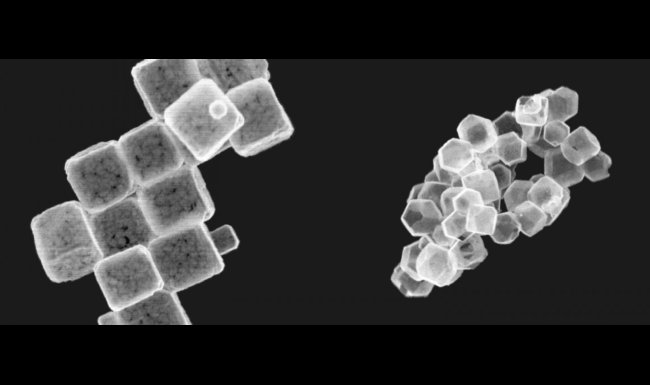
Morphing Crystals Into Nanocages
Using pre-existing crystal as molds, researchers have made nanocrystals morph into nanocages which can be used for drug delivery and solar panels.

Reprogrammed Stem Cells Shed Light On Bone Cancer
Although not sufficient to cause bone cancer on its own, the EWS-FLI1 gene predisposes cells to cancer by preventing differentiation.


