


japan

A Device To Form Nerve Bundles In 3D
Scientists have created a device that allows the formation of three-dimensional nerve bundles for drug discovery and the study of neurodegenerative diseases.

7 Must-Read Stories In October
Five out of seven of this month’s top stories were from Singapore, including an article on our panel discussion on how to publish well in science.

Modelling Perovskite Interfaces For Better Electronics
A team of researchers in Japan have developed a computational method to model the structure of perovskite interfaces with high resolution and accuracy.

Promising Clinical Results For Takeda’s Dengue Vaccine
Takeda’s dengue vaccine candidate TAK-003 has been shown to provide protection against all four serotypes of the virus for at least 18 months.
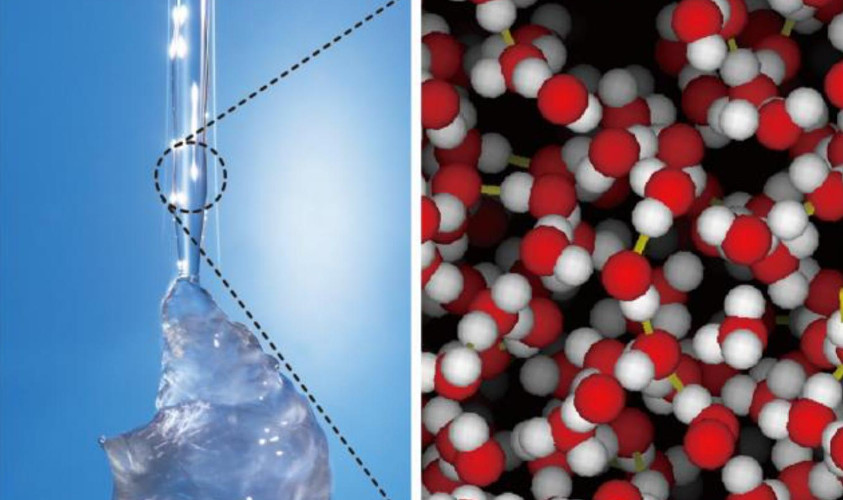
Simulating The Flow Of Supercooled Water
Using highly accurate computer simulations, scientists in Japan have characterized the diffusion and viscosity behavior of supercooled water.

Metals Show How Liquids Turn Into Glass
By cooling an organic metal material at different rates, scientists in Japan have gained a better understanding of how liquids turn into glass.

Why So Many Alzheimer’s Drugs Have Failed
Scientists in Japan have demonstrated why drugs targeting the enzyme that produces the protein plaques in Alzheimer's disease patients fail in clinical trials.

Finding Faults Within An Earthquake Zone In Japan
A large mass of rock and sediment accumulated in the Nankai trough is responsible for the violent tectonic behavior of the region.
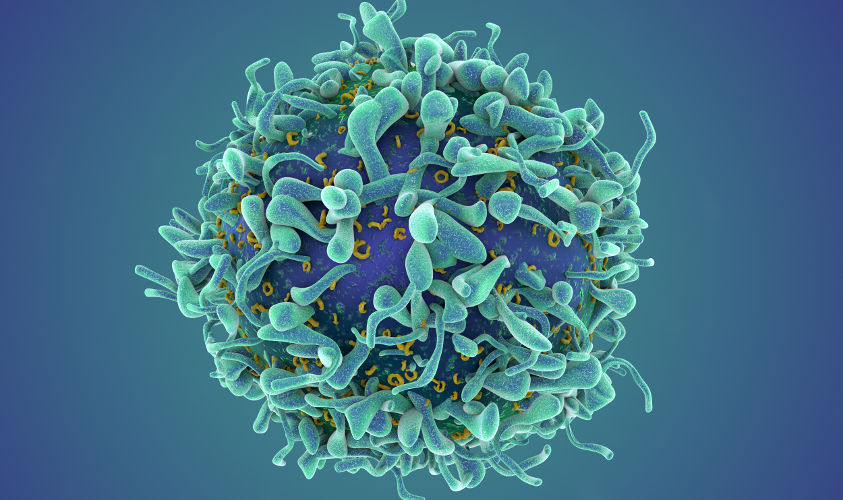
Prolonged Immune Activation Changes Behavior In Mice
Scientists in Japan have demonstrated that the prolonged activation of immune cells affects the production of neurotransmitters in the brain, leading to behavioral changes.


