


japan

Magnetars Could Explain Super Bright Supernovas
Neutron stars called magnetars could be the power behind super-luminous supernovae, which are 10 to 100 times brighter than normal supernovae.
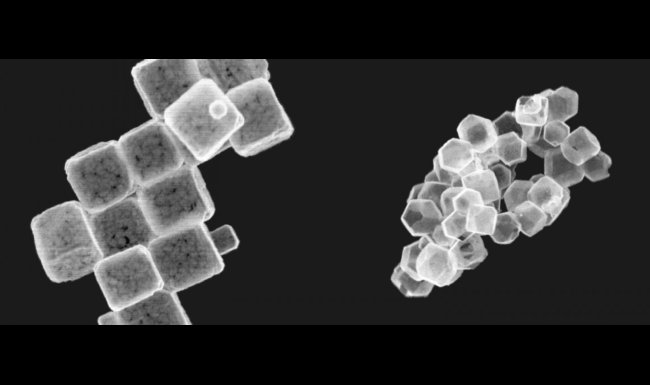
Morphing Crystals Into Nanocages
Using pre-existing crystal as molds, researchers have made nanocrystals morph into nanocages which can be used for drug delivery and solar panels.

Celebrating Excellence in Asia With The Asian Scientist 100
These rising stars and veterans hail from diverse sectors in industry and academia, but they all share in one common mission—to make tomorrow a better place for you and me.

The Mystery Of Infrared Background Light From Space, Solved
Researchers have finally figured out where the Universe's background infrared radiation comes from: extremely faint galaxies with very small amounts of dust.

Asian Universities Hold Their Own In QS Rankings Report
Asian universities account for 16 percent of the top 50 spots in this year's QS World University Rankings by Subject report.

This Bacteria Lives Off Plastic, And It’s Fantastic
Researchers have isolated a bacterial strain that uses PET plastic, one of the main culprits of environmental pollution, as its main source of carbon for growth.
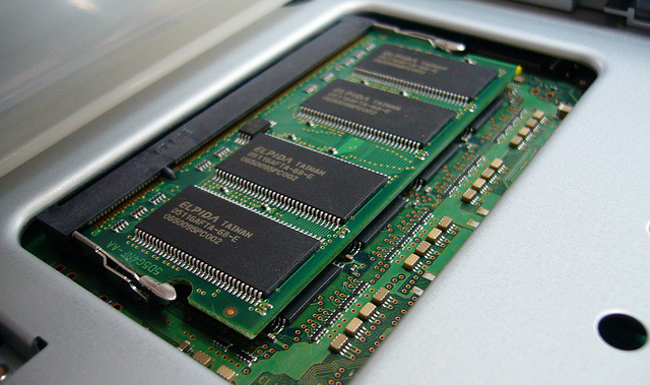
The Magnetic Appeal Of Spin-Orbit Memory
Researchers have developed a new-structure magnetic memory device that can store memory without a power supply.
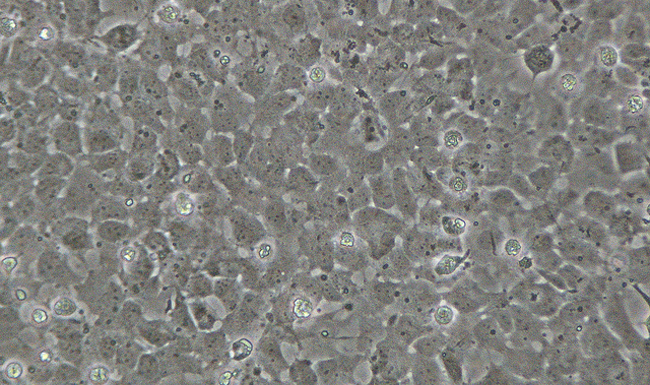
Pluripotency Factor Actually A Telomere Enlongator
Zscan4, originally believed to be involved in pluripotency of stem cells, is actually triggered by shortened telomeres to regenerate the telomere length.
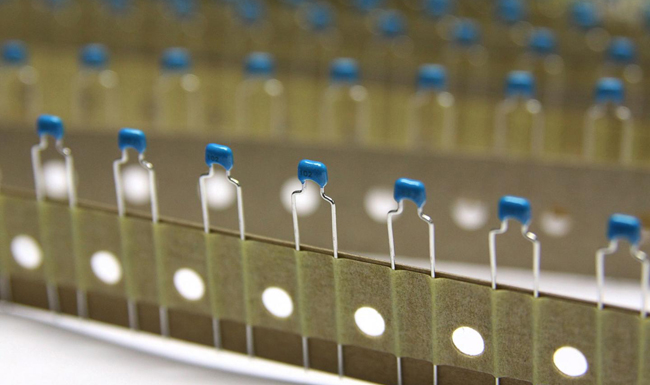
Making Electronics Safer With Perovskites
Perovskite oxynitrides, cheap and easily fabricated materials with a distinctive crystalline structure, are particularly promising for use in making safer ceramic capacitors.


