


institute for basic science

Selectively Creating Useful Ring-Shaped Molecules
With the help of computer simulations, scientists have devised a method to create ring-shaped molecules from inexpensive feedstock chemicals for use in the pharmaceutical industry.

Hiding Gene Editing From The Immune System
By using a phosphatase to remove a chemical group on synthetic guide RNAs, scientists in South Korea have made CRISPR-Cas9 less immunogenic and less toxic.

Catching Autophagy In The Act
Scientists in South Korea have used the fluorescence resonance energy transfer technique to observe autophagy in live cells.
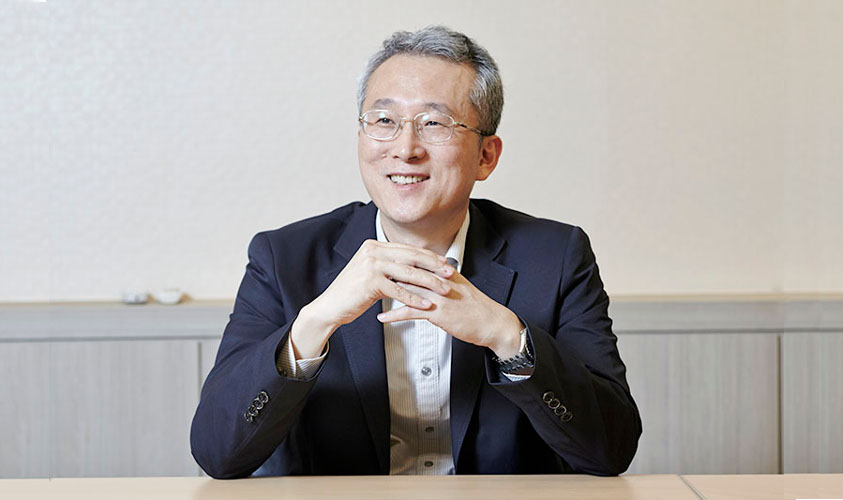
Four Scientists To Receive 2018 ASAN Awards
Professor Kim Eunjoon, who demonstrated the principles behind the formation and functions of synapses, has been named the 2018 recipient of the ASAN Award in Medicine.

Nanodroplets That Respond To Light, Magnets And Electrostatic Forces
Scientists in South Korea have created an integrated surfactant that allows droplets to be manipulated by light, magnetic fields and electric fields.
Lengthening The Carbon Chain At Room Temperature
By oxidizing the iridium center of a reaction intermediate, scientists in South Korea have achieved arylation of C-H bonds at mild conditions.
Radicals Made Stable
Scientists in South Korea have managed to synthesize and stabilize radical ions which are typically highly reactive and short-lived.
Controlling Light With Gold And Graphene
Using a pierced gold sheet coated in graphene, scientists have created thin lenses that can be used to manipulate the intensity and polarity of light.
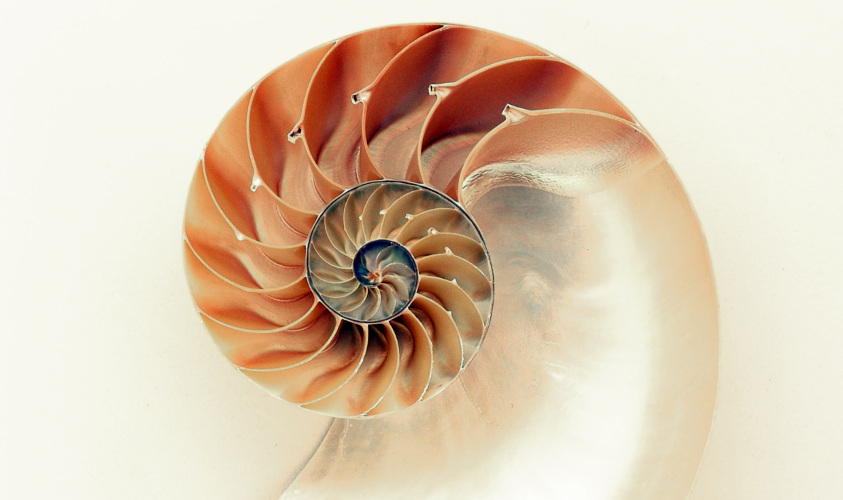
Spin To Re-Create Nature’s Shapes
Using the centripetal force of a rotating fluid, researchers in South Korea have been able to make particles assemble into shapes found in nature.


