


garvan institute of medical research

Nano-Sized Biosensors Help Track And Improve Drug Action In Pancreatic Cancer
Scientists are now able to markedly improve drug targeting of solid tumors using tiny ‘biosensors’ along with new advanced imaging techniques.

The Mystery Of The Mutant Mice That Never Got Fat
The mystery of why some people get fat eating high-fat foods while others can stay skinny on a diet of burgers and chips is closer to being solved.
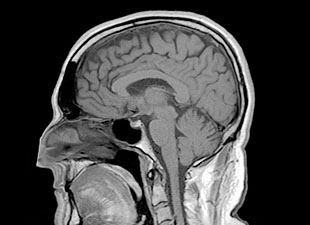
Plaques Are Last Stage Of Alzheimer’s Disease, Study
Plaque, long considered to be the hallmark of Alzheimer's disease, is one of the last events to occur in the Alzheimer's brain, says a new study.

Brain Circuit Makes It Harder For Obese People To Lose Weight
Researchers in Australia explain why when obese people diet, they end up losing less weight.
Key Protein Makes Breast Cancer ‘Aggressive’
Australian scientists have discovered how a protein causes breast cancer to become more aggressive and resistant to common drugs.

A Network Of ‘Painful’ Genes
An international team of scientists has described a 'network map' of genes involved in pain perception.

Osteoporosis Risk May Be Written In Our Genes, Study
A major new international study has for the first time shown that the risk of osteoporosis and bone fracture is strongly related to gene variation.

Hope For New Diabetic Drugs As Insulin Master Switch Is Uncovered
Researchers have discovered that a single gene called ld1, which is 'switched on' by a high fat diet, appears to lead to diabetes.
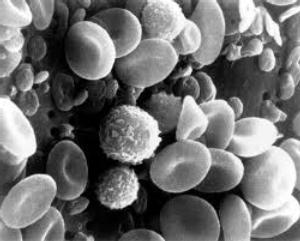
Study Links Type 1 Diabetes And Sjogren’s Syndrome
Researchers have found that mice with either Type 1 Diabetes and Sjogren's syndrome have particularly high numbers of a unique immune cell called TCCR9.


