


editors pick

A Tiny, Flexible Implant For Drug Delivery To The Brain
The device contains channels for drug storage and release, as well as LEDs to generate light pulses in the brain.
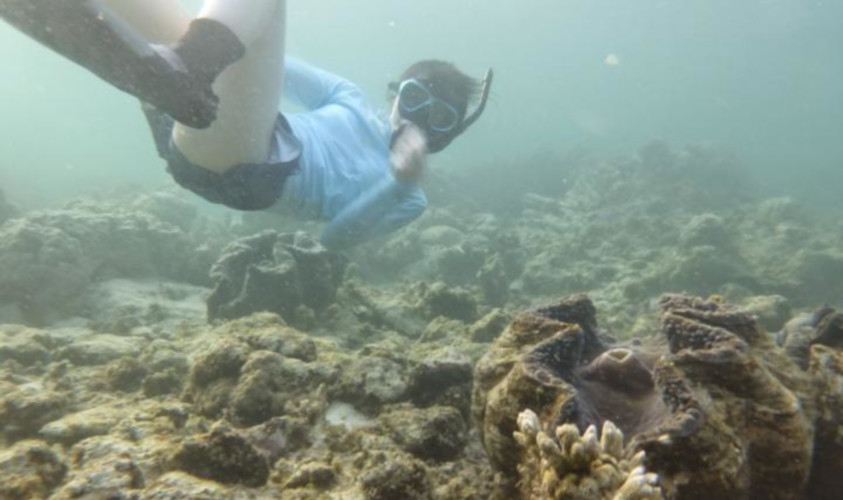
Giant Clams’ Poop Hosts Symbiotic Algae
Fecal pellets from adult giant clams are home to photosynthetic algae that play important roles in the nutrition of coral reefs, scientists find.

Oldest Fossil Forest In Asia Discovered In China
Excavators carrying out works at a quarry in China's Anhui province serendipitously uncovered the oldest fossil forest in Asia.

Scientists Develop A Hair-Raising Protocol
By encapsulating hair follicle stem cells in collagen and growing them with skin cells in a U-shaped well plate array, researchers in Japan have found a way to grow hair at scale for transplantation.
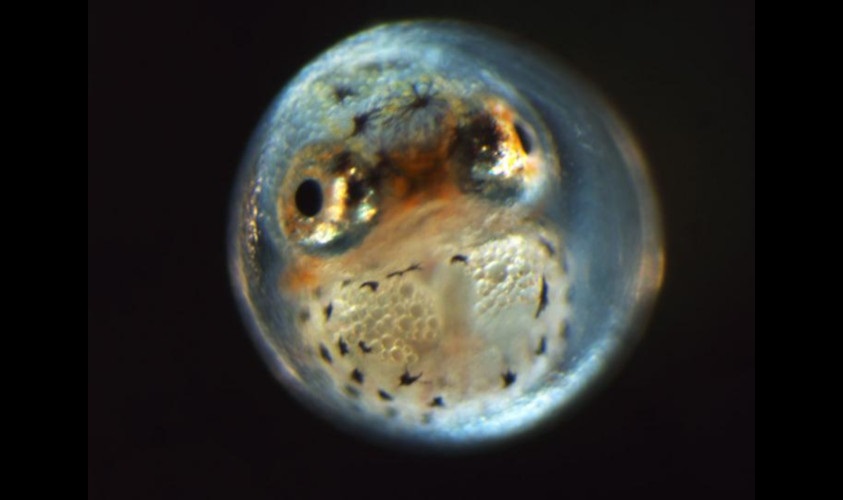
How The Pufferfish Got Its Spines
An international team of biologists has found that homologs of genes involved in hair and feather formation in other vertebrates are responsible for pufferfish spine development.

Children’s Book Promotes Two Hours Of Outdoor Play To Prevent Myopia
Targeted at young children, the illustrated book tells the story of a panda named Amanda, who plays outdoors for two hours every day to protect her eyesight.

Bringing Filipino Scientists Home
One year after the Balik Scientist Law was enacted, we trace how scientists returning to the Philippines are continuing to transform institutions and serve their country.

A Microchip Powered By Earthworm Muscle
Unlike other microchips which require external batteries, this chip developed by scientists in Japan is powered by living earthworm muscles.

Sperm Frozen For 15 Years Still Lead To Live Births
A large sperm bank study shows that sperm frozen for up to 15 years have a live birth success rate comparable to sperm frozen for only a short time.


