


behavioral science

Guess What, Parents? Toddlers May Know When You’re Lying
Toddlers as young as two-and-a-half years old can understand when others have thoughts that are different from theirs, and can process false beliefs.

How The Eye Decides On What To See
A new study suggests that our attention process has two different stages, resolving disputes over how we process visual information.
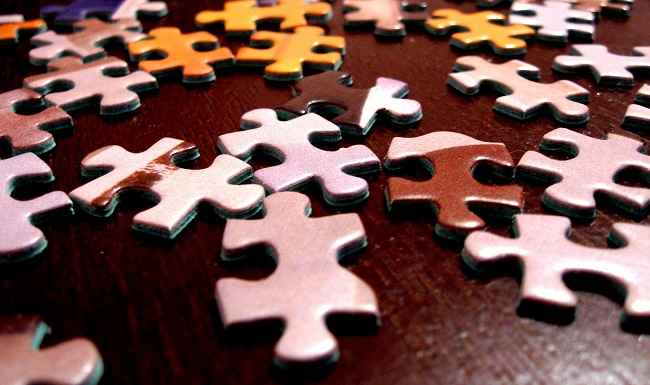
How Would You Solve A Knapsack Problem? Computers Want To Know
Learning how people solve problems over a range of difficulties may be crucial to making computers think more like humans.

Overconfidence Leads To Poor Decisions: Study
There could be some truth to the saying that pride comes before a fall, as neuroscientists reveal how overconfidence can lead to poor decision-making.

Reading Your Opponent’s Face In Martial Arts Could Help You Win
In taekwondo, the ability to analyze facial emotions could give you an edge in a sparring match.

Reposting Is Bad For Your Memory
When deciding whether to share an article or retweet, the decision itself consumes cognitive resources and leads to cognitive overload.

Eye Contact Synchronizes Brain Activity
Gazing into another person's eyes can cause synchronized brain activity, researchers say.

For Birds, It Takes Two To Tap Dance
Both male and female blue-capped cordon-bleus engage in a courtship dance, suggesting that sexual communication is not always a one way street.

Bees Pack More Food If Rewards Are Uncertain
When faced with uncertain rewards from their foraging journeys, honey bees reduce the risk of starvation by carrying more food with them.


