


behavioral science
From Household Trash To Policy Treasure
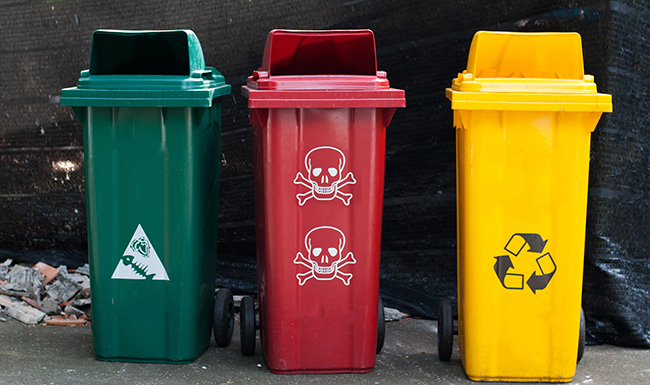
A new measure of household responsiveness to public information campaigns, co-developed by SMU researchers, could help policy-makers make better decisions.

Eating In Front Of A Mirror Makes Food Taste Better
Eating in front of a mirror—or even with a picture of yourself eating—makes food more appealing, a new study suggests.

If Not Forced, Kids Are Happy To Share
Preschool kids who share of their own accord are happy to do so, but not when they are obliged to do it.

Can You See What I See?
A study by researchers at Kyoto University shows that visual perception may depend on birthplace and environment.
Life Is A Rollercoaster–It’s Just How You Ride It
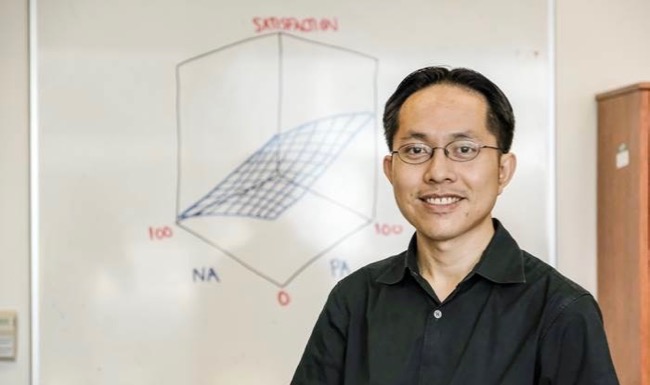
SMU Associate Professor William Tov examines how everyday emotions shape our overall well-being.

Babies Are Born To Love Heroes
Infants as young as six months old can recognize and appreciate heroic acts, according to a study by Japanese researchers.

Putting The ‘Public’ In Public Policy
To better engage the public, policy-makers need new and better ways of dealing with unintended consequences, says SMU Professor David Chan, speaking at the SMU Behavioural Sciences Institute's recent conference on 'Unintended Consequences in Singapore'.

Thriving In An Uncertain World
A culture of innovation is needed for Singapore to shine, says SMU President Professor Arnoud De Meyer, speaking at the SMU Behavioural Sciences Institute's recent conference on 'Unintended Consequences in Singapore'.

Simply Being Near A Phone Found To Be Distracting
Just having a mobile phone nearby can affect your cognitive ability, especially if you seldom use the internet.


