


behavioral science

Even Children Value Equal Outcomes
The concepts of fairness and equal outcomes are valued even in five- to six-year-old children, according to researchers in Japan.

The Psychology Of Public Trust
Public trust is a complex and dynamic phenomenon, and governments today cannot afford to ignore its social-psychological aspects, said Professor David Chan at a conference organised by SMU’s Behavioural Sciences Institute.

Public Trust In The Post-Truth World
Governments everywhere must rethink their strategies if they want to win the public’s trust, said former top civil servant Mr Peter Ho at a conference organised by SMU’s Behavioural Sciences Institute.

Punishment Does Not Improve Cooperation
Using a game to study human behavior, researchers in Japan have found that punishment is an ineffective means for promoting cooperation among players.

A Nod To Positive Impressions
A team of researchers in Japan have demonstrated that the act of nodding raises likability and approachability.

Social Skills, Not Vocabulary, Make A Shy Child Likeable
By assessing the language competency and social interactions of 164 preschoolers, researchers in Singapore have demonstrated that social skills rather than vocabulary improve the likeablility of shy children.
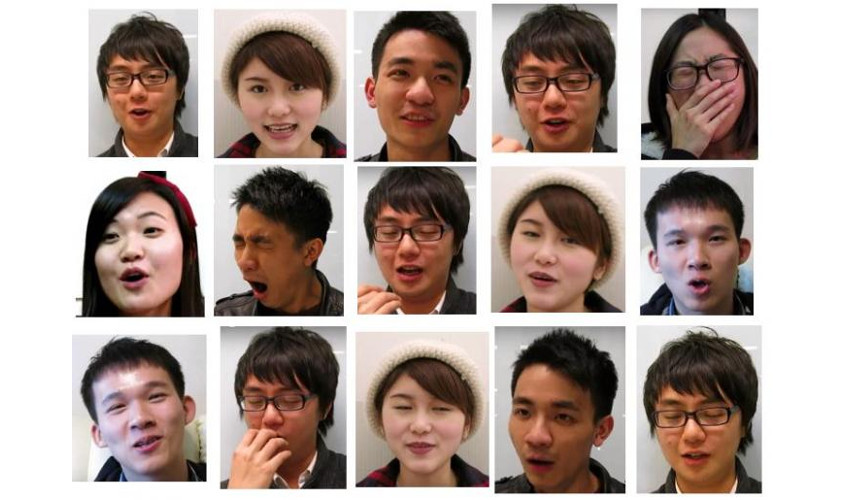
Contagious Yawning Not About Empathy
Perceptual sensitivity instead of empathy determines vulnerability to contagious yawning, scientists in Japan show.

The Art Of Negotiating In Asia
Being mindful of different cultural norms is essential for successful negotiations in Asia, says SMU’s Associate Professor Michael Benoliel.

Finding The Hot Seat Of The Brain
Scientists in Japan have identified specific parts of the brain that are responsible for sensing changes in the temperature of the environment.


