


australia
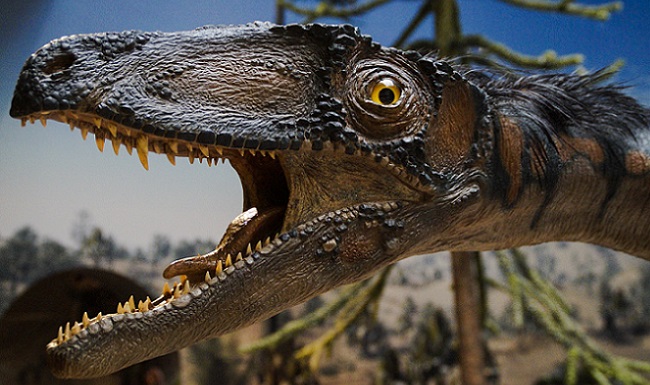
Mammal Diversity Exploded Only After Dinosaurs Went Extinct
Early mammals only began diversifying after the extinction of dinosaurs about 66 million years ago, a new study finds.
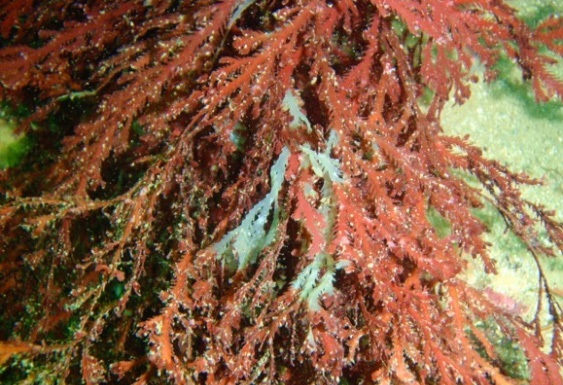
Just Like Us, Seaweeds Get Sick When Stressed
At high water temperatures, seaweeds become susceptible to a bleaching disease by a variety of normally harmless bacteria.

7 Must-Read Stories In June 2016
From the conservation of giant clams to choosing between the clinic or the courtroom, these are the stories you enjoyed the most in June.
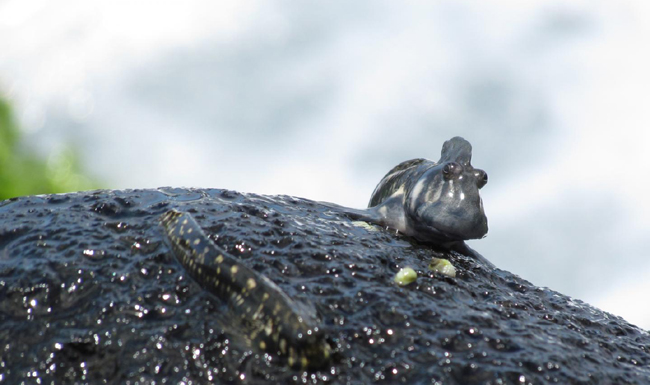
Fish Out Of Water Are More Common Than You Think
Fish evolved the ability to live on land many times, according to a study that challenges the perception that this extreme lifestyle shift was likely to have been a rare occurrence.

Blood Test Predicts Premature Birth Risk From As Early As 18 Weeks
The blood test can identify women who are at risk of having a premature birth but are not displaying symptoms—as early as 18 weeks as into their pregnancy.

Natural Progesterone May Help Breast Cancer Treatment: Study
Adding natural or biologically identical forms of progesterone, instead of synthetic forms, to standard breast cancer treatments could prolong life for patients, researchers have found.

Researchers Find Dozens Of Genetic Regions Linked To Migraines
Researchers have discovered that vascular dysfunction, or poor blood vessel function, is a primary mechanism underlying migraine.

MIT Technology Review’s Regional ‘Innovators Under 35’ Returns
Innovators under the age of 35 from Southeast Asia, Australia, New Zealand and Taiwan can now apply for the regional 2017 Innovators Under 35 list.

Ancient ‘Deep Skull’ Resembles Indigenous Borneans, Not Australians
New analysis challenges the long-held view that Deep Skull represented early modern humans closely related, or even ancestral, to Indigenous Australians.


