


The Asian Scientist 100
Xi Dai
Institution
Hong Kong University of Science and Technology
Country
Hong Kong
Field
Physics
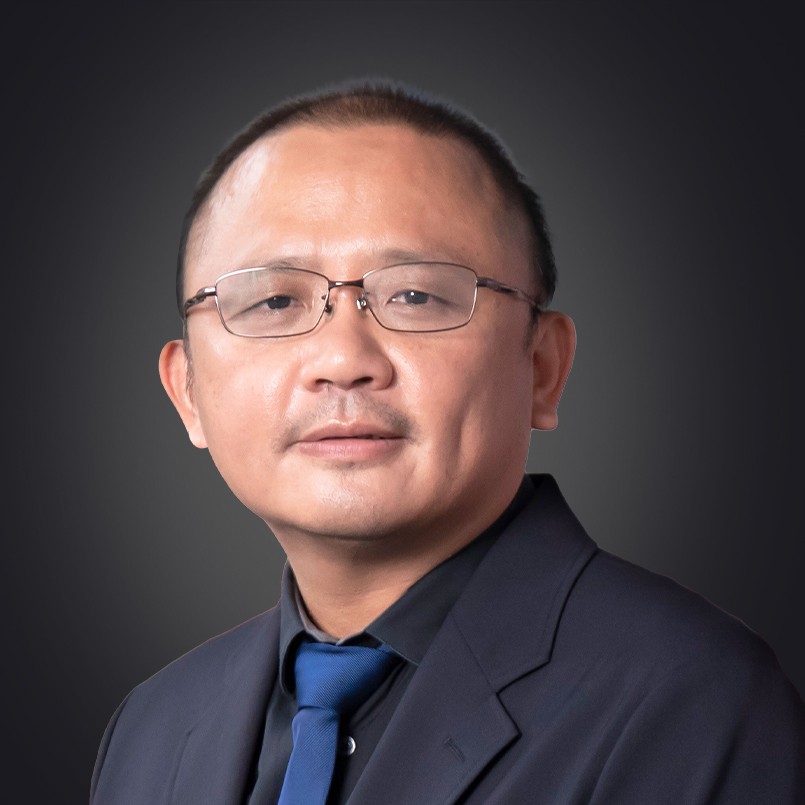
Dai received the 2025 Future Science Prize in Physical Science for pioneering contributions to condensed matter physics and topological materials, including predicting novel quantum states and enabling their experimental realization, advancing next-generation electronic and quantum technologies.
(Photo: The Future Science Prize Foundation)
AWARDS
- 2025 Future Science Prize in Physical Science
Related articles

Long-Term Antacid Use Linked To Increased Stomach Cancer Risk
Scientists have found that the risk of stomach cancer is higher in patients previously treated for H. pylori infection if they took proton pump inhibitors over extended periods of time.

Flexible Flash Memory For Foldable Electronics
Scientists in South Korea have invented a flexible flash memory that meets existing industrial electronics standards.

Asia’s Calcium Intake “Alarmingly Low”
Scientists of the International Osteoporosis Foundation have discovered that Southern and Eastern Asians had the world's lowest average calcium intakes.

Methylmercury Found In Rice-Based Baby Food
After analyzing 119 infant cereal samples made with a variety of grains, scientists have discovered that infant rice-based cereals contain elevated levels of methylmercury.
For Utilities, Four Is Better Than One
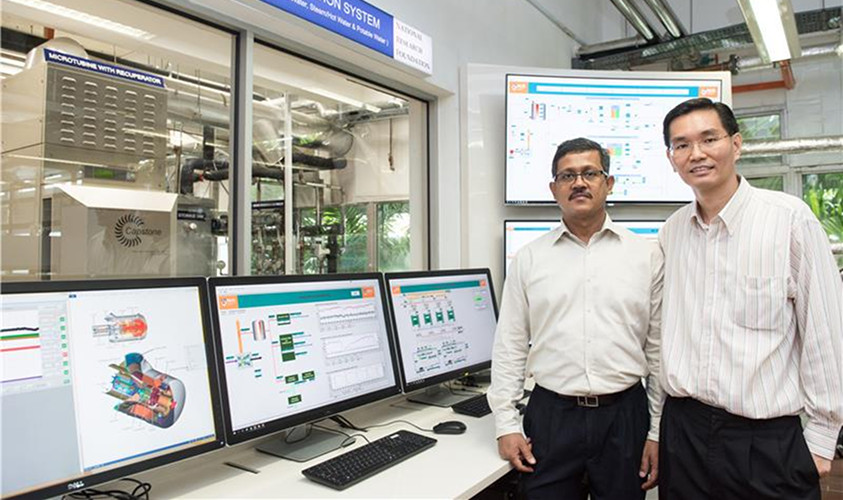
Scientists at the National University of Singapore have developed an eco-friendly, four-in-one utilities generation plant.

Singapore: A Nation Of Nerds?
We've got super maths whizzes and sky-high myopia rates, which makes us a nation of nerds, right?

Powering The Future With Flexible And See-Through Solar Cells
Semitransparent and flexible solar cells are now a reality thanks to a fabrication method developed by scientists in Japan.
Asia’s Scientific Trailblazers: Wang Yifang
Professor Wang Yifang shares about his fascination with neutrinos and elaborates on China’s ambition to become a major international center for particle physics research.

Getting To The Root Of Bonsai Regeneration
Scientists in Japan have identified a gene that controls the levels of auxin in response to root damage.