


The Asian Scientist 100
Tran Thi Thu Ha

Institution
Thái Nguyên University
Country
Vietnam
Field
Agriculture
Tran was awarded the Vietnamese Kovalevskaia Award 2019 for her research on the breeding and intensive cultivation of trees, the propagation and rearing of non-timber forest products and medicinal herbs, and the development of local medicinal plants.
(Photo: Thái Nguyên University)
AWARDS
- Kovalevskaia Award 2019
Related articles

Hepatitis B Treatment Prevents Liver Cancer
Scientists in Hong Kong have confirmed that hepatitis B treatment can reduce the rates of liver cancer and urge infected individuals to seek continued treatment.

Getting To The Root Of Bonsai Regeneration
Scientists in Japan have identified a gene that controls the levels of auxin in response to root damage.

CRISPR Editing Alters Flower Color
The ability to change the color of the Japanese morning glory demonstrates the specificity of the CRISPR-Cas9 gene editing system.

Exposing A Silent Killer: Liver Disease
Non-alcoholic steatohepatitis (NASH) is set to become the number one cause of liver transplants, but innovative imaging modalities are paving the way for much needed new drugs.
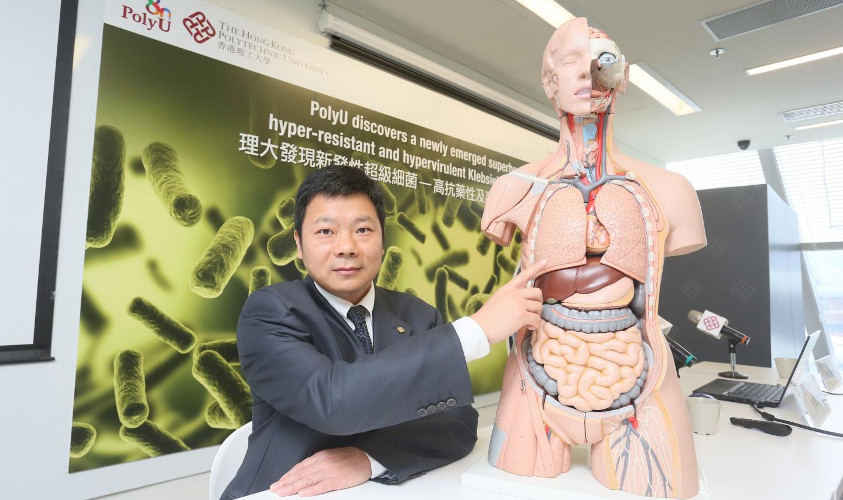
Highly Infectious Superbug Emerges In Chinese Hospital
The hypervirulent superbug behind five deaths in a Chinese hospital is resistant even to last-resort antibiotics.

Faulty Gene Impairs Brain Development
Using genetically engineered mice, researchers in Japan have demonstrated that DNA repair is an essential process for normal brain development.

The Art Of Negotiating In Asia
Being mindful of different cultural norms is essential for successful negotiations in Asia, says SMU’s Associate Professor Michael Benoliel.

Zooming In On Socioeconomic Issues
By analysing the impact of anti-poverty policies at fine-grained level, Associate Professor Tomoki Fujii of the SMU School of Economics is uncovering better ways of reaching development goals.

Asia’s Scientific Trailblazers: Xue Qi-Kun
Professor Xue Qi-Kun shares the story behind his discovery of quantum anomalous Hall effect and other developments in the field of condensed matter physics.