


The Asian Scientist 100
Tan Eng King

Institution
National Neuroscience Institute
Country
Singapore
Field
Life Sciences
Tan Eng King received the 2018 President’s Science Award for identifying clinical biomarkers, developing novel models and transforming patient care in Parkinson’s Disease. (Photo: National Neuroscience Institute)
Related articles

Distinguishing Molecular ‘Evil Twins’
A membrane made of 2D layers can catch left-handed molecules while allowing the right-handed ones to be transported away, resulting in high separation efficiency.

Australia’s Engineer In Office
Australia’s Minister for Industry, Science and Technology, the Honorable Karen Andrews MP, plans to fight climate change and support women in STEM.
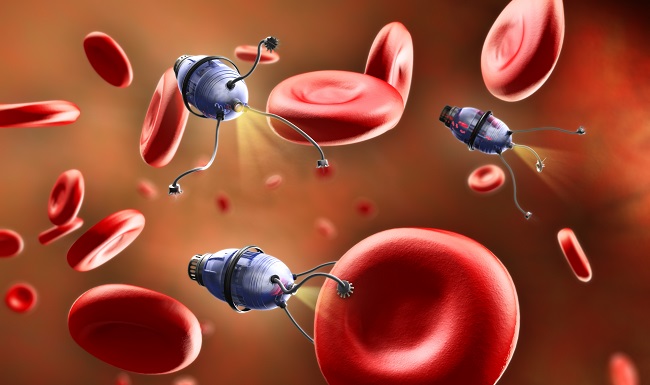
The Era of Nanorobots: How Technology Is Reinventing Medicine
Biomedical engineers have a new futuristic platform to take cancer head on.

China Faces The Challenge Of Chronic Disease
Chronic conditions have surpassed infectious diseases as the leading causes of premature death in China, a new study shows.

Study: Farm Work By Women Drives Malnutrition In India
Women’s agricultural labor a key factor in malnutrition, according to a study of 12 villages in India.

Turning Graphene Into A Bacteria Sensor
When combined with microfluidics and antibodies, graphene can become a powerful bacteria biosensor, researchers say.
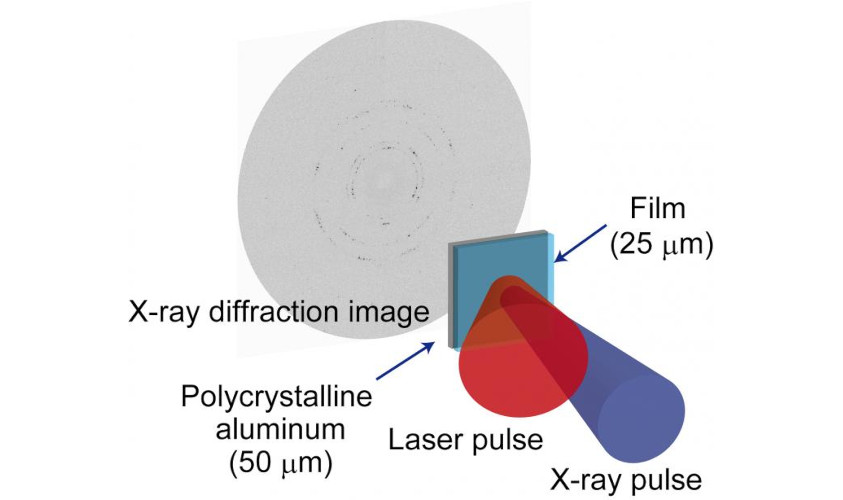
The Science Of How Stuff Responds To Shock
Scientists have captured the deformation effect of shock waves on a material using x-ray diffraction.

The Sweet Sound Of Innovation
Elizabeth Williams, co-founder and CEO of Hemideina, is developing an alternative cochlear implant solution inspired by the auditory systems of insects.
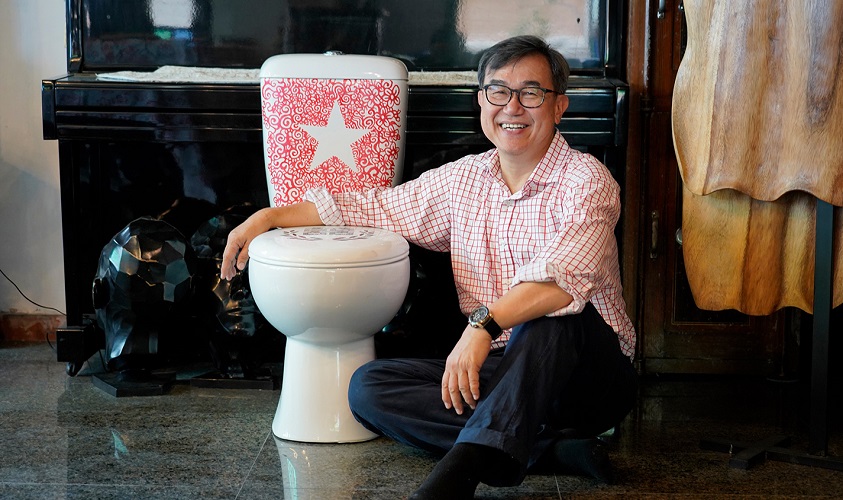
Changing the World, One Toilet at a Time
From loo-building projects to social enterprises and even smart toilets, World Toilet Organisation founder, Mr Jack Sim, turns to innovation to address a neglected public health crisis: poor sanitation.