


The Asian Scientist 100
Tan Eng King
Institution
National Neuroscience Institute
Country
Singapore
Field
Life Sciences
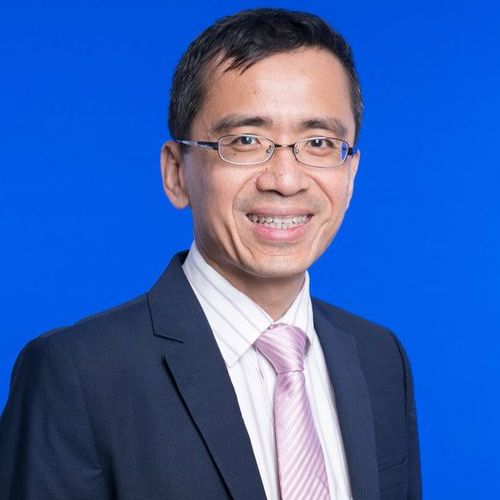
Tan Eng King received the 2018 President’s Science Award for identifying clinical biomarkers, developing novel models and transforming patient care in Parkinson’s Disease. (Photo: National Neuroscience Institute)
Related articles

Igniting Innovation — An Interview With George Heng Of SenzeHub
Embracing open innovation has helped SenzeHub to develop useful and commercial solutions in the form of healthcare wearables.

Making MRI Machines Cheaper And More Accessible
A new MRI machine designed by researchers in Hong Kong could cost less than US$20,000 to build and operate using a standard AC power outlet.
Five Receive 2021 President’s Science And Technology Awards In Singapore
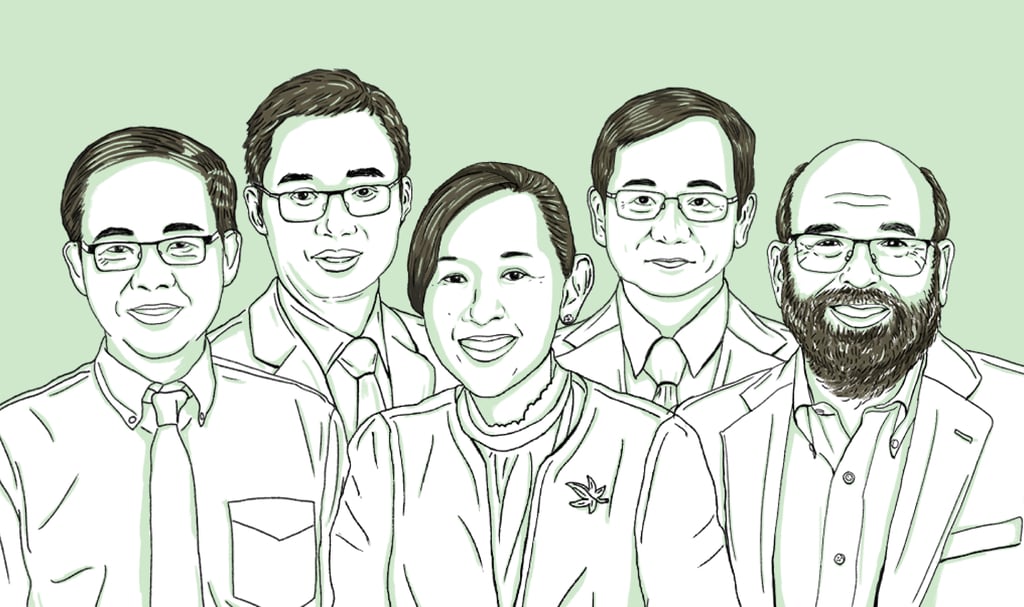
Singapore has recognized five researchers with the 2021 President’s Science and Technology Awards for pushing the country's frontiers in biomedicine and engineering.

When Two Wastewater Treatment Methods Are Better Than One
Coupling two popular chemical processes leads to better organic pollutant removal than either method alone, say researchers from India and Saudi Arabia.

Safeguarding Singapore’s Natural Heritage (VIDEO)
Dr. Wan Jusoh is championing the conservation of Singapore’s biodiversity, from studying flashing fireflies to piecing together snapshots of how ecosystems evolve over time.

The Maverick Who Gave Machines The Gift Of Sight
Professor Kunihiko Fukushima took inspiration from the biological brain to create one of the first artificial neural networks. Here’s how he continues to advance the world of artificial intelligence.
Carving A Niche — An Interview With Tan Chong Hui Of JAH Tech
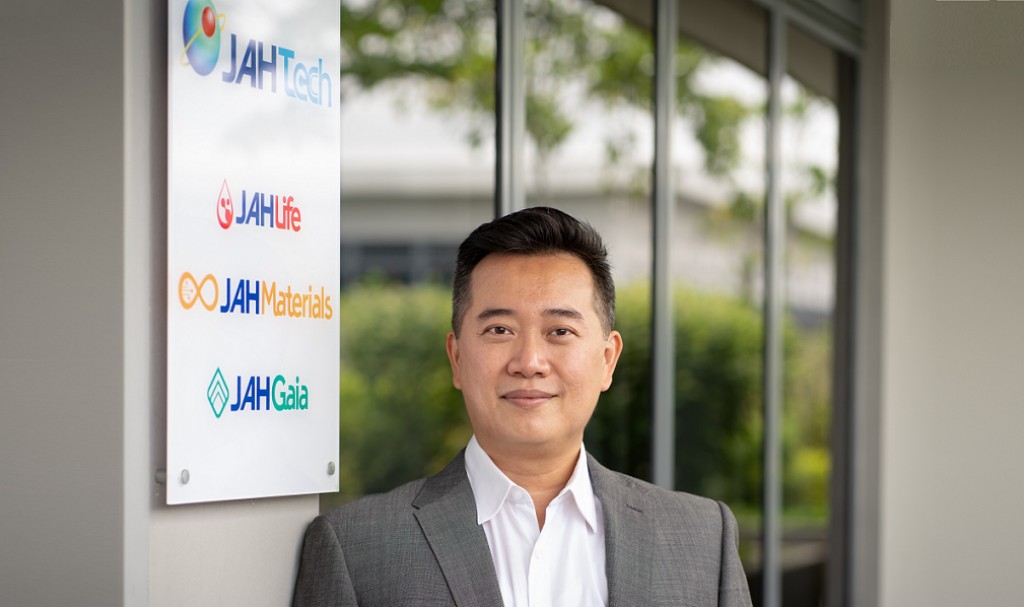
From conception to consumption, keeping the innovation process collaborative and inclusive is the key to success for JAH Tech.

What Speaking Multiple Languages Does To The Brain
The benefits of speaking multiple languages can be seen in the brain, according to a South Korean study of young children.

Have You Seen The Future Of Medicine?
Tiny sensors, wearable health trackers and health data analysis platforms were among the technologies featured at TechInnovation 2018.