


The Asian Scientist 100
Tan Eng King

Institution
National Neuroscience Institute
Country
Singapore
Field
Life Sciences
Tan Eng King received the 2018 President’s Science Award for identifying clinical biomarkers, developing novel models and transforming patient care in Parkinson’s Disease. (Photo: National Neuroscience Institute)
Related articles

The Law Professor Blogger
SMU Assistant Professor Yip Man co-founded the Singapore Law Blog in 2014 to disseminate legal knowledge to the general public.

The Yuan Goes Global
SMU Professor Chow Hwee Kwan studies how Asian countries manage their currencies, and the impact of these policies on their economies.

Leaf-Inspired Power Packs A Punch
In the future, consumer devices could be powered by solid state micro-supercapacitors instead of lithium batteries.

Pyschosis In Some Children Could Be Linked To Autoimmunity
Eight out of 43 children experiencing psychosis for the first time had antibodies against dopamine or NMDA receptors, suggesting the involvement of the immune system.

Tracing The Dendritic Cell Family Tree
A single-cell RNA sequencing study has shown that dendritic cells are already committed to their downstream lineages in the bone marrow.
Scientists & Their Quirky Habits
You can take a scientist out of the lab, but you can't quite take lab habits out of the scientist.

Dopamine Boosts Libido In Aging Male Flies
Increasing dopamine levels in PPL2ab neurons can restore sexual responses in old, male flies.

Fight-Or-Flight Reflex Circuit Uncovered In Mice
Using optogenetics and neural tracing methods, scientists mapped the fight-or-flight reflex circuit in the brains of mice.
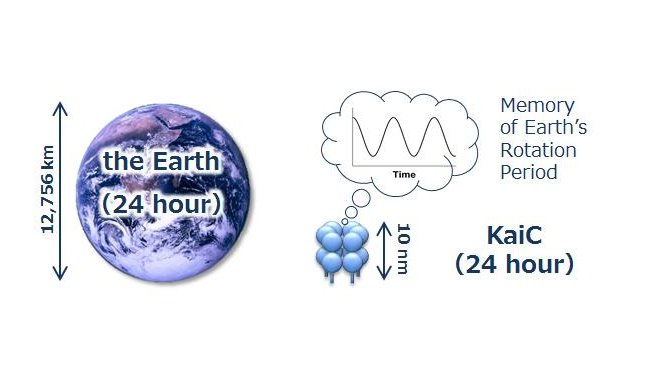
The Tiny Protein That Syncs With The Earth’s Rotation
Oscillations of a 10 nm protein help cells keep in tune with the 24 hour cycles of the Earth.