


The Asian Scientist 100
Tan Eng King

Institution
National Neuroscience Institute
Country
Singapore
Field
Life Sciences
Tan Eng King received the 2018 President’s Science Award for identifying clinical biomarkers, developing novel models and transforming patient care in Parkinson’s Disease. (Photo: National Neuroscience Institute)
Related articles

Pollen Reveals The Hot, Wet Climate Of Ancient Apes
A study tracking pollen has found that apes survived the climatic changes of the late Miocene in hot and humid environments.
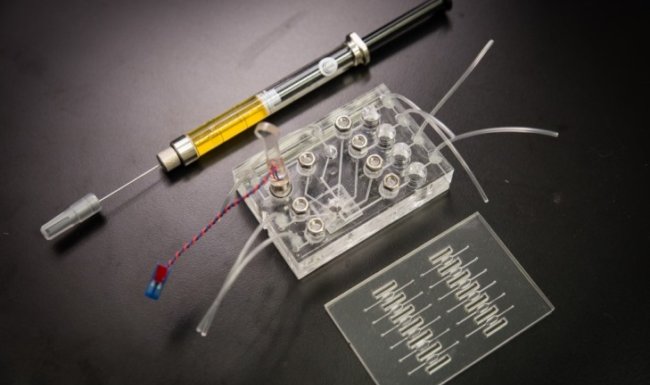
“Lab-In-A-Needle” Detects Liver Toxicity In 30 Minutes
Scientists have developed a microfluidics device that can quickly detect liver toxicity, a common side effect during chemotherapy.

Japanese Physicist Wins 2015 Nobel Prize For Neutrino Research
Takaaki Kajita wins half of the 2015 Nobel Prize in Physics for proving that neutrinos have mass.

The New Old People Problem
Coping with a rapidly aging population is a complex issue that cannot be dealt with simply by training more gerontologists.

ELABELA Promotes Stem Cell Survival
First identified as a regulator of blood vessel and heart development, ELABELA has now been shown to prevent embryonic stem cells from undergoing apoptosis.
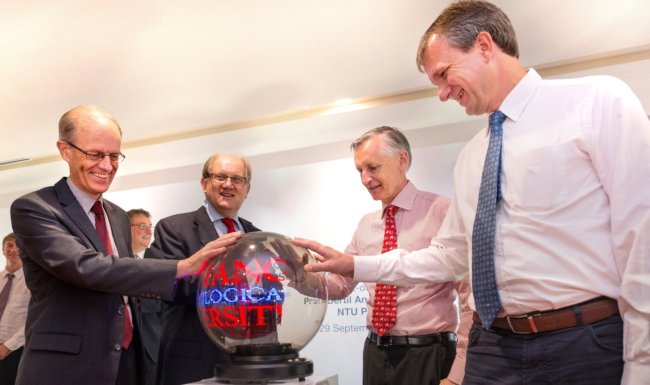
Helping Singaporeans Stay NIMBELS Through Research
The NTU Integrated Medical, Biological & Environmental Life Sciences (NIMBELS) Cluster features Southeast Asia’s first phenome center.

India Launches Its First Astronomy Satellite
The launch of India's first astronomy satellite with the capacity to simultaneously image light at various wavelengths presents an unprecedented opportunity to observe space.

A Thermal Invisibility Cloak
A new thermal invisibility cloak, which actively redirects heat, may bring Harry Potter's invisibility cloak closer to reality.

Business Law Beyond Borders
The SMU Centre for Cross-Border Commercial Law in Asia (CEBCLA) is facilitating Singapore’s development as a major commercial law centre by conducting rigorous research on the practice of commercial law in Asia’s increasingly complex business environment.