


The Asian Scientist 100
Tan Eng King
Institution
National Neuroscience Institute
Country
Singapore
Field
Life Sciences
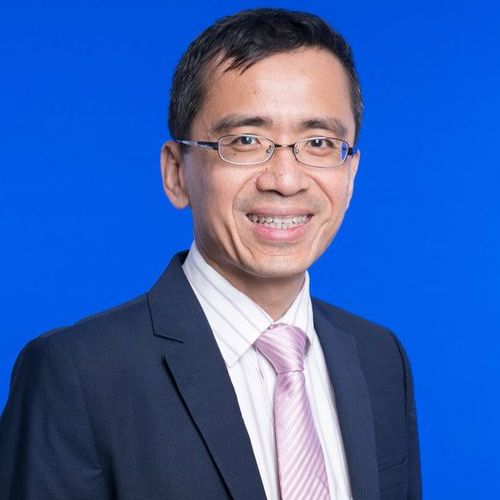
Tan Eng King received the 2018 President’s Science Award for identifying clinical biomarkers, developing novel models and transforming patient care in Parkinson’s Disease. (Photo: National Neuroscience Institute)
Related articles
Researchers Find New Drug Combinations For Tuberculosis
Using feedback system control technology, researchers have sifted through combinations of 14 tuberculosis drugs to find faster, more effective treatments.

Whither The Water?
It may not be the sexiest of topics, but a lack of access to clean water kills over 2,000 children a day.

Replacing Lithium With Aluminum For Environmentally Friendly Batteries
This cheap and environmentally friendly battery could theoretically power a Tesla Model S for 560 km.
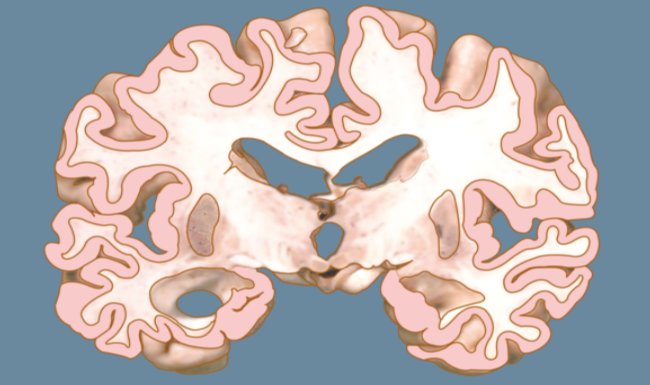
Treating Huntington’s With Gene Knockout Might Be Safe For Adults
Although deleting the huntingtin gene is lethal for young mice, it appears to safely treat the disease in adult mice.

The Mystery Of Infrared Background Light From Space, Solved
Researchers have finally figured out where the Universe's background infrared radiation comes from: extremely faint galaxies with very small amounts of dust.

The Magnetic Appeal Of Spin-Orbit Memory
Researchers have developed a new-structure magnetic memory device that can store memory without a power supply.
Pluripotency Factor Actually A Telomere Enlongator
Zscan4, originally believed to be involved in pluripotency of stem cells, is actually triggered by shortened telomeres to regenerate the telomere length.

How Does The Brain Perceive Optical Illusions?
Optical illusions like the Pinna illusion activates the medial superior temporal area in the brain, which represents illusory rotation as if it were real rotary motion.

Cambodia And Belgium Strengthen Ties Through Agro-Food Partnership
Universities and partner institutions in Europe and Southeast Asia are partnering on the Erasmus Plus program to further knowledge in agriculture, food science and technology.