


The Asian Scientist 100
Ping Xu

Institution
National University of Defense Technology
Country
China
Field
Physics
Xu was a recipient of the 2024 Tan Kah Kee Science Award in technological sciences for her research on lithium niobate photonic quantum chips.
(Photo: Tan Kah Kee Science Award Foundation)
AWARDS
- 2024 Tan Kah Kee Science Award
Related articles

The Unique Genetics Of Diabetes In East Asians
Researchers have found 61 new genetic variants that are linked to type 2 diabetes in East Asians, which could help to personalize treatment for the chronic disease.

Fact Check: 5 Reasons Why The Coronavirus Is Not ‘Man-made’
Controversial claims over the coronavirus’ origin have proliferated on the internet. Here, we examine the scientific evidence that supports its natural origins.

WEF 2020 Young Scientists Include Eight From Asia
From neuroscience to satellite research, eight scientists based in Asia were honored as part of the World Economic Forum’s Class of 2020 Young Scientists.

Asian Scientist Magazine’s 2019 Roundup
Just in case you missed them, we bring you some of the top stories on Asian Scientist Magazine in 2019.
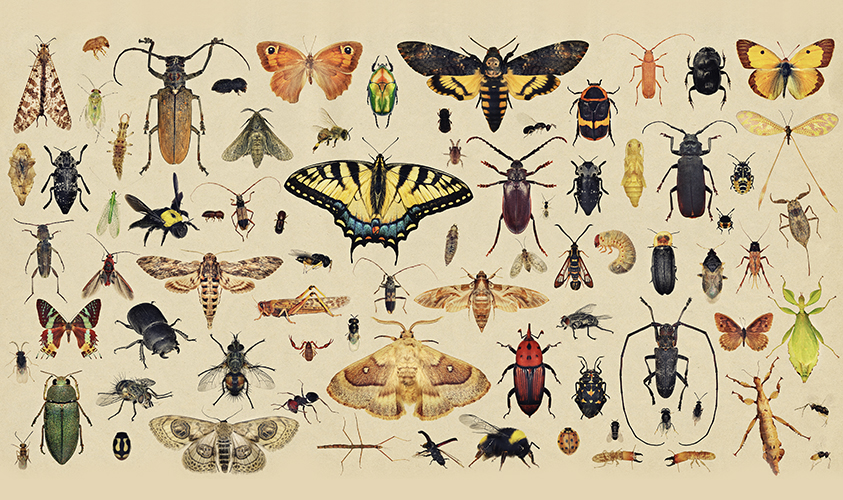
Doom For The Planet: The Insect Apocalypse
They may not be as charismatic as the pandas or polar bears, but insects are indispensable to life as we know it.
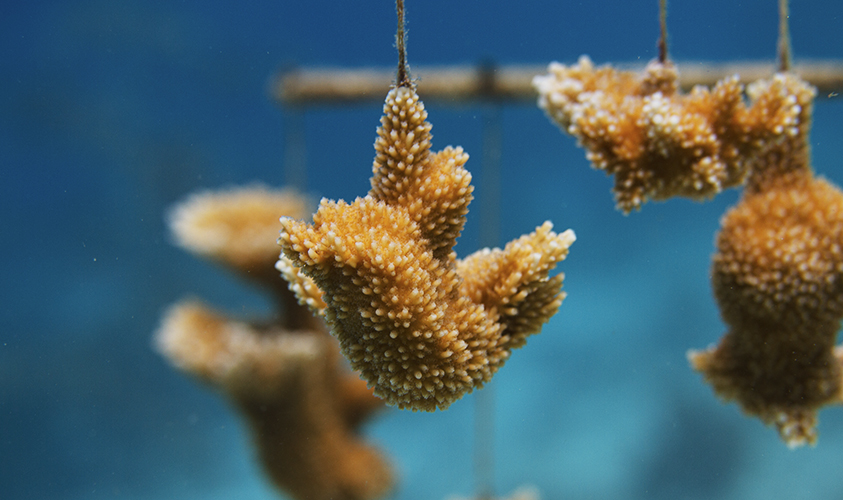
Corals: The Turn Of The Tide
Corals are dying but science could be able to help them fight back from the brink.

Stone Age Fossils Of Red-Deer Cave People Discovered In Maludong, China
Researchers have discovered fossils of Stone Age people in China, nicknamed Red-deer Cave people because they hunted extinct red deer and cooked them in caves at Maludong.

Scientists Unravel Kidney Disease Susceptibility Genes In Asian Genomic Study
Singapore and China scientists have identified new susceptibility genes for the kidney disease Immunoglobulin A Nephropathy (IgAN) based on a large Asian genome-wide association study.

How Birth Shapes The Baby’s Skin Microbiome
The mode of delivery at birth has long term consequences on a child’s skin microbiome, say scientists in China.